


FacebookInstagramYouTubeLinkedintiktok

Call Us 24/7:

+90 850 888 6898

Working Hours:

We Are Available 24/7

Logo

FUE Hair Transplant

Get a Price Quote

Share your details and our team will contact you shortly.

By clicking Submit, you agree to our Terms & Conditions and acknowledge our Privacy Policy.

FUE Hair Transplant

FUE Hair Transplant

Follicle-by-follicle hair transplant

FUE (follicular unit extraction, also called follicular unit excision) is a hair transplant technique in which small groups of 1–4 hairs – called grafts or follicular units – are taken one by one from the back and sides of the scalp with a tiny round punch, and then placed into thinning or bald areas. The hairs at the back and sides are usually less affected by inherited hair loss, which is why they keep growing after they are moved.

At a glance

Procedure timeUsually one day, about 4–8 hours
AnaesthesiaLocal anaesthetic; you stay awake
Hospital stayNone (same-day discharge)
Back to workOften after 1–2 weeks
Final resultClear change at 6–9 months; full result 10–18 months

Reviewed by: Pelin Gültekin, Hair Transplant Specialist
Last updated: 15.11.2026

What is Hair Transplant?

Hair transplant in Turkey, commonly known as a hair restoration procedure, is an advanced cosmetic treatment designed to restore hair growth, improve hair density, and create a fuller and more natural-looking hairline. At AYT Clinic in Antalya, FUE Hair Transplant is planned to achieve dense, natural and permanent-looking results. Other techniques such as Sapphire FUE and DHI hair transplant are explained on their own pages.

Choosing a hair transplant in Antalya allows patients to regain confidence while benefiting from world-class medical care in one of Turkey’s leading medical tourism destinations. Many patients choose a hair transplant in Turkey to improve their appearance, restore a natural hairline, and treat hair loss caused by genetics, hormonal changes, stress, or previous unsuccessful procedures.

At AYT Clinic, every hair transplant procedure is carefully tailored to the individual. With personalised treatment plans, experienced hair transplant specialists, and comprehensive aftercare, we ensure natural-looking results and a smooth recovery process. Our goal is to deliver safe, effective, and long-lasting outcomes while providing a comfortable and stress-free experience for international patients seeking affordable hair transplant in Antalya, Turkey.

Related terms in our patient glossary: FUE hair transplant · Graft (hair transplant) · Sedation with local anaesthesia · Recovery timeline

FUE Hair Transplant Before & After

FUE Hair Transplant before and after – case 1
FUE Hair Transplant before and after – case 2
FUE Hair Transplant before and after – case 3
FUE Hair Transplant before and after – case 4
FUE Hair Transplant before and after – case 5
FUE Hair Transplant before and after – case 6
FUE Hair Transplant before and after – case 7
FUE Hair Transplant before and after – case 8
FUE Hair Transplant before and after – case 9
WhatsApp

Apply now

WhatsApp consultation

What Is an FUE Hair Transplant?

FUE (follicular unit extraction, also called follicular unit excision) is a hair transplant technique in which small groups of 1–4 hairs – called grafts or follicular units – are taken one by one from the back and sides of the scalp with a tiny round punch, and then placed into thinning or bald areas. The hairs at the back and sides are usually less affected by inherited hair loss, which is why they keep growing after they are moved. FUE leaves many tiny dot-shaped scars instead of the single line scar of the older strip method (FUT); they are usually hard to see, but no hair transplant is scar-free.

A hair transplant suits permanent, inherited (pattern) hair loss. It is not usually the right treatment for other types of hair loss, such as alopecia areata, so the cause is checked first. Two things decide what is possible: how much healthy donor hair you have, and how large the area to be covered is. The donor supply is limited and does not grow back once used – so a good plan uses it carefully and keeps some in reserve for the future.

The procedure is done in one day under local anaesthetic; very large areas may need two days or a second session. New hair grows slowly: most people see a clear change after 6–9 months, and the full result after 10–18 months.

AYT Clinic is a licensed health-tourism coordinator, not a clinic: we coordinate your assessment, your procedure in Antalya, your transfers and hotel, and your follow-up. This page is about classic FUE. For other options see DHI hair transplant, beard transplant, eyebrow transplant and hair transplant for women. Sapphire FUE is explained further down this page.

Sources: NHS – Hair transplant; ISHRS – Consumer advocacy; American Academy of Dermatology – Hair transplants; Romera de Blas et al., Front Med 2026.

FUE Hair Transplant at a Glance

Key facts about FUE hair transplant. Your personal plan is confirmed after your assessment.

Sources: NHS – Hair transplant; American Academy of Dermatology – Hair transplants.

Procedure time

Usually one day, about 4–8 hours; very large sessions may continue the next day.

Anaesthesia

Local anaesthetic; you stay awake. The method is confirmed in your treatment plan.

Stay in Antalya

Same-day discharge, no hospital stay. The length of your stay is confirmed in your treatment plan.

Back to work

Often after 1–2 weeks; avoid sport for about a month.

Final result

Clear change at 6–9 months; full result 10–18 months.

Price

The price is shared in your personal treatment plan after your assessment.

Am I a Good Candidate for FUE?

FUE may suit you if:

  • you have inherited (pattern) hair loss that has been confirmed as the cause;
  • you have enough healthy hair at the back and sides of your head to move;
  • your expectations are realistic – a fuller look, not necessarily the hair you had at 18;
  • you are in good general health and can follow the aftercare for the first weeks.

Extra care is needed, or surgery may be better postponed, if:

  • you are young (for example in your early 20s) and your hair loss is still progressing quickly – a doctor may first suggest medical treatment and a later decision;
  • your donor area is thin, or you have had previous transplants that already used much of it;
  • you smoke – smoking slows healing and can affect graft growth; stopping at least a month before is advised;
  • you have diabetes, a heart, liver or kidney condition, a skin or scalp infection, take blood thinners or medicines that weaken the immune system;
  • your hair loss has a different cause, such as alopecia areata or scarring alopecia.

Before you travel we ask for clear photos of your head (front, top, crown, back, sides), your medical history and medicines. The physician reviews them and gives a provisional plan. Women: see hair transplant for women.

Sources: NHS – Hair transplant; American Academy of Dermatology – Hair transplants; ISHRS – Hair restoration surgery risk factors; Romera de Blas et al., Front Med 2026.

Your FUE Hair Transplant Journey

Send photos, medical history and medicines; the physician estimates the area, donor capacity and a graft range, and explains what is realistic.

VIP transfer, hotel; examination of scalp and donor area, blood tests, hairline drawn with you, final graft plan and written consent. Ask who does each step.

The donor area is shaved and numbed; grafts are taken one by one with a punch of under 1 mm, spread out so the donor area does not look thin.

Tiny channels are opened at the right angle and direction for natural growth; then the grafts are placed one by one. Under Turkish rules, opening the channels is a physician's step.

Check of donor and recipient area, first wash and written aftercare instructions. Ask us how follow-up after you return home is arranged.

Side Effects and Possible Risks

An FUE hair transplant is a surgical procedure and has side effects and some risks. The doctor explains these before treatment. Ask us before booking who performs each step and how follow-up is handled.

Sources: NHS – Hair transplant; Romera de Blas et al., Front Med 2026; Sturm et al., J Craniofac Surg 2026; American Academy of Dermatology – Hair transplants; ISHRS – World Hair Transplant Repair Day 2026.

Possible risksOur preventive measures
Swelling, tightness, discomfort

A tight, sore, swollen scalp is normal for a few days; forehead swelling peaks around day 2–3 and settles within about a week.

Infection & folliculitis

Infection is uncommon (about 1–2 in 100 or fewer in reviews); small inflamed spots (folliculitis) are more frequent and usually settle with treatment. Report spreading redness, pus or fever.

Numbness

Parts of the scalp can feel numb or tingly; this usually improves over weeks to a few months and is rarely long-lasting.

Shedding ("shock loss")

Transplanted hairs usually fall out in weeks 2–8; sometimes nearby native hair thins too. This is usually temporary, with regrowth from about month 3–4.

Donor area: scars and over-harvesting

FUE leaves many tiny white dots, more visible with very short hair. Taking too many grafts can leave the back of the head permanently thin, which is very hard to repair – a key reason why graft numbers must be limited.

Poor growth, unnatural look, ongoing loss

Some grafts may not grow; rarely, skin in the transplanted area can be damaged by poor blood supply (risk higher with smoking and very dense packing). Native hair can keep thinning around the transplant, so medication may be advised.

WhatsApp

Apply now

WhatsApp consultation

Recovery Timeline After FUE

Everyone heals differently. This is a typical timeline; you receive personal aftercare instructions.

Sources: NHS – Hair transplant; Romera de Blas et al., Front Med 2026; American Academy of Dermatology – Hair transplants.

Day 0: Procedure day

Local anaesthetic, home to the hotel the same evening. Sleep with your head raised; don't touch, scratch or knock the grafts; no alcohol.

Days 1–5: First days

Swelling may reach the forehead around day 2–3; bandage on the donor area usually comes off within 2–5 days; first gentle wash exactly as instructed.

Days 6–14: Scabs fall off

Daily gentle washing; small crusts loosen and fall off over about 10–14 days. Many people return to desk work after 1–2 weeks. No sport, sauna, swimming or direct sun on the grafts.

Weeks 2–8: Shedding

Most transplanted hairs fall out; this is expected. The roots stay in the skin. Light exercise usually after about a month.

Months 3–5: New growth starts

The area may look thinner at month 3; fine new hairs usually appear from about month 4. Photos help you track progress.

Months 6–18: Result develops

Hair thickens; most people see a clear change at 6–9 months and the full result at 10–18 months. Keep treating ongoing hair loss if advised.

Patient Stories

FUE vs DHI vs Sapphire FUE


Classic FUE DHI Sapphire FUE
Graft extraction One by one with a punch Same punch extraction Same punch extraction
Recipient site Channels opened first with a fine steel blade or needle, then grafts placed An implanter pen opens the site and places the graft in one step Channels opened with a sapphire-tipped blade, then grafts placed
Shaving Donor area (often whole head) shaved Sometimes possible with less shaving – depends on the case Like FUE
Evidence The established standard No strong evidence that it grows more hair than FUE Limited, small studies; no clear proof of better growth
More info This page DHI hair transplant This page (below)

All three use the same donor hair and the same limits on how many grafts can be taken safely. The experience of the team and a careful plan matter more than the name of the technique. The price is shared in your personal treatment plan after your assessment.

Sapphire FUE

Sapphire FUE is a variation of classic FUE. Grafts are taken one by one with a small punch, exactly as in classic FUE. The only difference is the instrument used to open the tiny channels (recipient sites) where the grafts are placed: a blade with a tip made of synthetic sapphire crystal instead of a steel blade or needle. Sapphire blades are very hard, stay sharp and have a smooth cutting edge. There are no randomised trials comparing sapphire and steel blades, and better graft growth has not been proven. Sapphire does not change how many grafts your donor area can safely give, the recovery timeline, or the rule that in Türkiye the channels must be opened by a certified physician. Whether sapphire or steel channels are planned, and why, is explained in your treatment plan.

Study figures are from published research, not from AYT results. This page is general information and does not replace a medical consultation.

Sources: ISHRS – Qualifications for scalp surgery; Romera de Blas et al., Front Med 2026.

Contact Us
Required fields are marked with *.

You can tell us anything you want.

Treatment: FUE Hair Transplant

By clicking Submit, you agree to our Terms & Conditions and acknowledge our Privacy Policy.

FUE Hair Transplant – Frequently Asked Questions

It depends on the size of the area, how dense your donor hair is, how thick, curly or light/dark your hair is, and how much future loss is expected. A graft is a natural group of 1–4 hairs, so the graft number is not the same as the hair count. The physician gives you a range after reviewing your photos and confirms it at the examination. A responsible plan does not promise "as many grafts as possible": taking too many can leave the back of your head permanently thin. Your plan states the expected number of grafts.

In classic FUE the donor area is shaved so that grafts can be taken evenly; often the whole head is shaved for an even look while it grows back.

Sometimes. "Unshaven FUE" means different things at different clinics – from shaving narrow strips hidden under longer hair, to trimming single hairs only, to long-hair FUE. It takes longer and usually suits smaller sessions or patients with longer hair, though larger sessions have been reported. Ask exactly which version is planned for you and how many grafts it allows.

The local anaesthetic injections sting for a short time; after that most people feel pressure but not pain. The scalp feels tight and sore for a few days and usually responds to ordinary painkillers.

Transplanted hairs come from an area that is usually resistant to inherited hair loss, so they tend to keep growing. But your own hair around them can keep thinning, which can make the result look patchy over time. That is why the doctor may recommend medical treatment and plans the hairline for the long term.

Many people return to desk work after 1–2 weeks. Avoid heavy exercise, swimming and sauna for about a month and protect your scalp from the sun.

Yes – small dot-shaped scars in the donor area. With hair a few millimetres long they are usually hard to see; with a very close shave they may show.

Most problems seen in repair clinics come from the same few issues, so ask about them directly:

Who does what. International surgeons' societies (ISHRS) say diagnosis, planning, hairline design, graft extraction and opening the channels should be done by a licensed physician, and warn about clinics where unlicensed technicians operate. In Türkiye the law requires channel opening to be done by a certified physician; certified non-doctor assistants may extract and place grafts under that physician's supervision. Before you book, ask who will perform each step of your procedure, and ask for the name and qualifications (diploma, specialty, certificates) of the doctor responsible – and keep the answers in writing.

Donor area. Over-harvesting is very hard to correct. Ask how many grafts are planned, why, and what is kept in reserve.

Follow-up. Results take up to 18 months, so check-ups matter; ask how they are arranged. Tell your GP or dermatologist at home and keep your records.

Warning signs in any clinic: very low prices, no named doctor, before/after photos that look too perfect, pressure to decide fast.

Any guarantee terms are set out in your personal treatment plan – ask about them before you decide. Ask what any guarantee covers (growth? repair session?), for how long, under which conditions, and who pays travel for a repair. Hair growth itself can never be guaranteed.

Price depends on the area, graft number and whether more than one day is needed. You get a written quote after the hair analysis. Ask what is included – for example transfers, hotel nights, tests, medicines and check-ups – before you decide.

WhatsApp

Apply now

WhatsApp consultation

AYT Clinic Reviews & Patient Experiences in Antalya

AYT Clinic always prioritises patient satisfaction and genuine patient experiences. On this page, you can explore real AYT Clinic reviews shared by international patients who travelled to Antalya, Turkey for cosmetic surgery and medical treatments.

Authentic feedback from trusted platforms such as Google Reviews, Trustpilot, and WhatClinic helps future patients learn more about the surgery process, hospital experience, recovery, accommodation, and aftercare support at AYT Clinic Antalya.

03.05.2026 Amanda G, UK

whatclinic4.9

The procedure didn’t hurt and took less than an hour

went to AYT for upper eye surgery, and I am delighted with the results. Most of the bruising had gone very quickly after 7 days of taking Arnica tablets (bought in the UK; they don’t seem to sell the tablets in Turkey) and using the Arnica cream provided by AYT.

It is well worth the money to have it done. The procedure didn’t hurt and took less than an hour. I didn’t need to take any painkillers, I just took 2 paracetamol after the local anaesthetic wore off, and that was all. Everything was explained by the Surgeon in English, and Olivia was excellent at answering any queries, and she was always available to answer me.
The stitches were easy to remove when I returned home. I would recommend!


17.01.2026 Shelbey

Trustpilot4.6

Fantastic service

Fantastic service, my coordinator was Seren she talked me through every step of the way, the price quoted was the price paid (no surprise hidden costs) all the AYT staff were amazing and everything went smoothly and as planned and the icing on the cake is that I left with a fabulous new body, totally recommend!!! Thanks AYT and Dr Mehmet Ali Korkmaz

12.05.2026 Lynn B, UK

whatclinic4.9

It’s the best decision I made to use this clinic

I am one year post op from my gastric sleeve surgery. It’s the best decision I made to use this clinic; they gave me all the information I needed and asked about, kept me at ease, were very helpful on any questions I had, made me feel so welcome, and they were always on hand. My surgeon dr nail times was amazing, as were all the experts and the team of medical staff. Definitely will use again in future.

30.01.2026 Carianne Clarke

Trustpilot4.6

Breast augmentation and uplift surgery

I had breast augmentation and uplift two weeks ago. AYT clinic sorted everything out. It was a great price, amazing surgoen and team. My coordinator Olivia was the best, so kind and always there when I needed her. She even visited me in hospital. They put me up in a great hotel, where we were able to make great friends also having surgery. I'm pleased with the results so far.

12.05.2025 Aya Mohammed

Google Reviews4.7

Ayt Team

had an amazing experience with Dr. Mehmet Ali Korkmaz from the very beginning until the end of my journey. He is extremely professional, talented, and truly cares about his patients. He took the time to listen to my concerns, explained everything clearly, and made me feel comfortable and confident throughout the whole process.
The results honestly exceeded my expectations. Everything looks very natural, balanced, and exactly what I hoped for. The care and attention from both Dr. Mehmet Ali Korkmaz and his team were exceptional, and I always felt safe and supported.
I’m very grateful for his work and would highly recommend him to anyone considering plastic surgery. Thank you again for giving me such a positive experience and beautiful results!

24.09.2025 Natalie Goodwin

Trustpilot4.6

Mini Face & Neck lift , The best experience!

As soon as I made my enquiry from the get go I felt so confident and felt I could trust the whole process.
Welcoming as soon as I arrived in Antalya meeting Oğuzcan at the airport!
I couldn’t ask for more.
Surgery went so quickly , and the surgeon Dr Kamil is so friendly and very professional!
I’m now looking to come back for an eye lift !
My coordinator Asli is so lovely , the best welcome beautiful smile !

Thank you team and also the nurses @ the hospital mostly women so felt very comfortable.

Related Blogs

Call Now
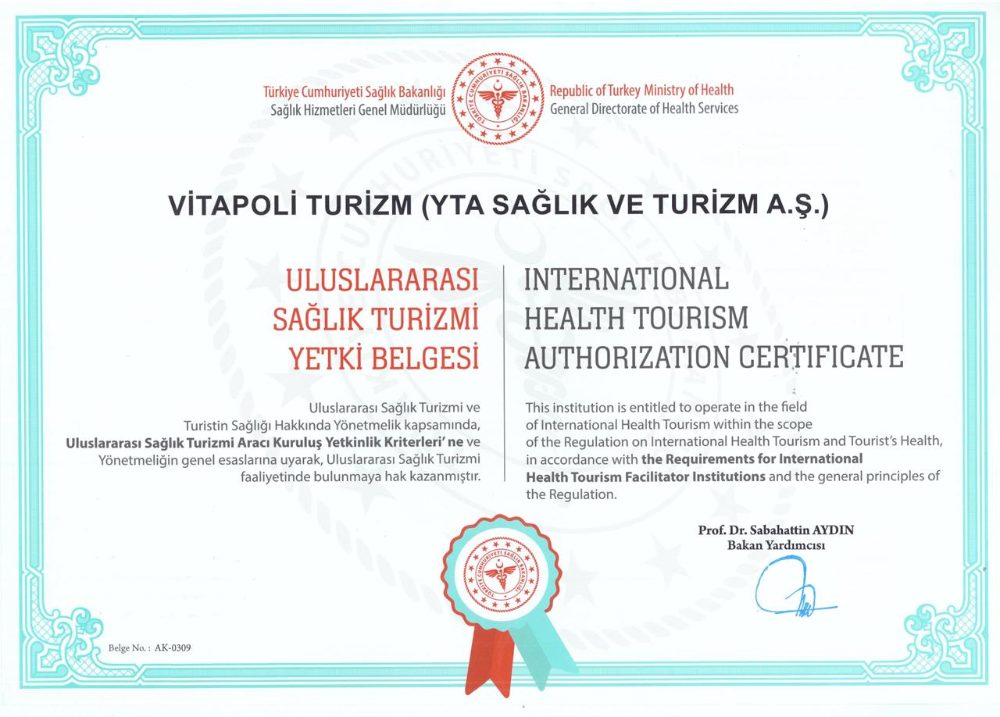
Sağlık Turizm Belgesi
Health Türkiye
JCI Kalite Onayı (Joint Commission International)
WhatClinic belge