 Book Online
Share your details and our team will contact you shortly.
Short answer: A female hair transplant is most likely to help women whose thinning follows a clear, stable pattern — such as a widening parting, thin temples or a high hairline — and who still have dense hair at the back and sides of the scalp. Diffuse thinning, active shedding or untreated medical causes need diagnosis and treatment first.
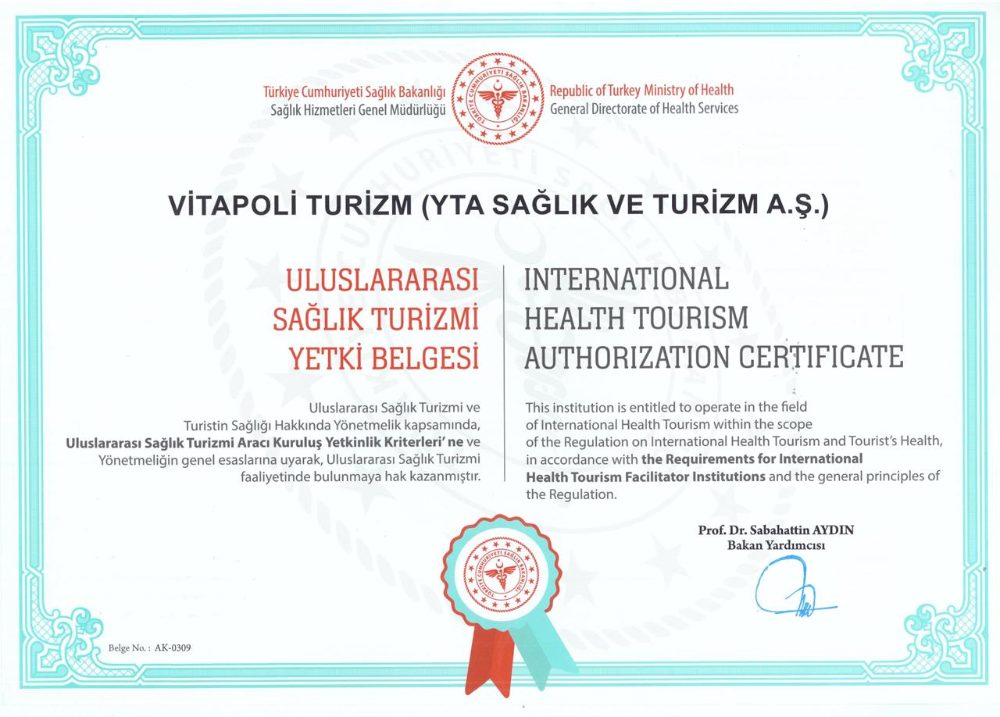
A female hair transplant moves your own follicles from a donor area to thinning areas, usually with the FUE technique. Hair loss in women is often different from men's, so not every woman with thinning hair is a good candidate. This guide helps you understand where you stand before you send photos. AYT Clinic is a licensed health tourism facilitator (licence AK-0309), not a clinic: your procedure is carried out by a partner doctor and team in a partner facility in Antalya.
Reviewed by Pelin Gültekin, Hair Transplant Specialist
Last updated: 14.11.2026
Men typically lose hair at the front and crown. Women more often notice diffuse thinning along the parting and on top of the head while the front hairline stays in place, as the International Society of Hair Restoration Surgery (ISHRS) describes [1]. Causes include genetics, hormonal changes (pregnancy, menopause, thyroid disorders, polycystic ovary syndrome), nutritional deficiencies, stress, illness and treatments such as chemotherapy [1, 3].
The NHS notes that some hair loss is temporary and grows back once the cause is treated, while pattern hair loss is usually permanent and runs in families [3]. A transplant only makes sense for the permanent, patterned type — and only if the donor area is strong.
The ISHRS lists four main criteria for women considering a transplant [1]:
| Your situation | Transplant may be suitable | Usually treat or wait first |
|---|---|---|
| Widening parting with dense back and sides | ✔ | |
| Naturally high forehead, wish for lower hairline | ✔ | |
| Thin temples or hairline after years of tight hairstyles (loss has stopped) | ✔ | |
| Scar after surgery or injury, no active scalp disease | ✔ | |
| Thinning everywhere, including back and sides | ✔ donor area not stable | |
| Sudden shedding after childbirth, illness, crash diet or stopping the pill | ✔ often settles by itself | |
| Patchy hair loss (alopecia areata) | ✔ not usually suitable [2] | |
| Iron, thyroid or hormone tests not yet done | ✔ diagnose first | |
| Pregnant or breastfeeding | ✔ wait |
This table is general guidance. A hair transplant specialist and doctor confirm suitability after reviewing your photos, history and test results.
The NHS advises being very careful with the grafts for the first 2 weeks and suggests 1 to 2 weeks off work [2]. Bandages can usually be removed after 2 to 5 days. New growth typically starts around four months, and the final result is usually judged after about a year or more. Results vary and depend on your donor hair and ongoing hair loss.
If surgery is not the right step now, the team will say so and suggest seeing a dermatologist at home first.
Usually not. If the back and sides are also thinning, the donor hair is not stable. Medical treatment is generally discussed first [1].
Not usually completely. The donor area is often trimmed in a small section that can be hidden under longer hair. The details are agreed in your treatment plan.
No. It redistributes your own hair. Ongoing pattern loss may continue, so medical treatment is often recommended alongside.
Often yes, if your donor area is strong enough. Whether it suits you depends on your forehead height, hair direction and donor density, which are assessed in person.
The price depends on your graft estimate and plan, and is shared in your personal treatment plan after assessment.
Send your photos and medical details through the female hair transplant page. You can also read about the FUE hair transplant technique.
AYT Clinic (YTA Sağlık ve Turizm A.Ş.) is a licensed health tourism intermediary (licence no. AK-0309) that coordinates treatments in Antalya.
Make an Appointment
Talatpaşa Boulevard No: 113-9, Hacettepe Mahallesi, Altındağ / Ankara, Türkiye
Çalkaya Falezleri Cad. No: 2 Daire: 8, Altıntaş / Aksu / Antalya, Türkiye
Send Email: [email protected]
Call Us: +90 850 888 6898