 Book Online
Last updated: November 2026
This glossary explains medical terms that patients often come across when researching plastic surgery, weight-loss surgery, hair transplant and dental treatment in Antalya. Each entry gives a short, plain-language definition and links to the related treatment page and patient guide.
Jump to a section: Breast surgery · Body contouring · Face, neck and eyelids · Weight-loss (bariatric) surgery · Intimate surgery · Surgery and recovery · Hair, dental and eye
Capsular contracture is a tightening of the natural scar tissue capsule that the body forms around every breast implant. In most people this capsule stays soft, but if it thickens and contracts, the breast can feel firm, look rounder or higher, and sometimes become uncomfortable. It is graded from I to IV (Baker scale). Treatment depends on severity and may include revision surgery; your surgeon will advise.
Breast implant rupture is a tear or hole in the outer shell of an implant. With saline implants the breast usually deflates visibly; with silicone gel implants the gel often stays within the scar capsule, so a rupture may cause no symptoms (a 'silent rupture'). Changes in shape, firmness or pain can be signs. Ultrasound or MRI is used to check, and your surgeon will advise whether replacement or removal is needed.
Implant rippling is visible or palpable wrinkling of a breast implant's edge through the skin. It is more likely when there is little natural breast tissue or body fat covering the implant, with saline implants, or when the implant sits above the muscle. It is mainly a cosmetic concern. Options to reduce it include placing the implant under the muscle, fat grafting or a different implant type; your surgeon will advise.
Drop and fluff describes how breast implants settle after augmentation. At first, implants often sit high and look tight because the chest muscles and skin are swollen and taut. Over the following weeks to months, the tissues relax, the implant moves down ('drops') and the lower breast fills out ('fluffs'), giving a softer, more natural shape. The pace varies from person to person; your surgeon will check progress at follow-up.
Implant profile describes how far a breast implant projects forward from the chest relative to its base width. A moderate profile implant has a wider base and less forward projection; a high profile implant has a narrower base and projects further for the same volume. The choice depends on chest width, existing breast tissue and the desired shape, and is usually made together with the surgeon during sizing.
Submuscular placement means positioning a breast implant partly or fully beneath the pectoralis major chest muscle. The most common variant is 'dual plane', where the muscle covers the upper part of the implant. Extra muscle cover can make implant edges less visible, especially in slim patients, but recovery may feel tighter and the implant can move slightly when the muscle contracts. Your surgeon will advise which pocket suits you.
Subglandular placement means positioning a breast implant behind the breast tissue but in front of the chest muscle. Recovery is often quicker and the implant does not move with muscle activity. Because coverage depends on the patient's own breast tissue, this pocket generally suits people with enough natural tissue; in thinner patients implant edges or rippling may be more noticeable. A subfascial variant places the implant beneath the muscle's thin covering layer.
Breast implant illness (BII) is a term used by some people with breast implants to describe a range of symptoms such as fatigue, joint pain, brain fog or skin problems that they link to their implants. BII is not a formal medical diagnosis, and research into its causes is ongoing. Some people report improvement after implant removal, but this cannot be predicted. Anyone with these symptoms should be assessed by a doctor.
Tuberous breasts are a developmental variation in which the breast base is narrow and constricted, the crease under the breast sits high, and breast tissue may push into an enlarged areola, giving a tube-like or puffy shape. One or both breasts may be affected. Correction usually involves releasing the constricted tissue, often combined with an implant, fat transfer or areola reduction, planned individually by the surgeon.
Breast implant removal, often called explant surgery, is an operation to take out breast implants, with or without removing the surrounding scar capsule (capsulectomy). People choose it because of complications such as capsular contracture or rupture, symptoms they link to implants, or a wish to return to a natural size. Because skin may be stretched, some patients combine removal with a breast lift; your surgeon will advise.
Mastopexy, or breast lift, is surgery to raise and reshape breasts that have sagged, for example after pregnancy, breastfeeding, weight loss or with age. The surgeon removes excess skin, repositions the nipple and areola higher and tightens the surrounding tissue. A lift alone does not add volume. Scars vary with technique, such as around the areola, vertical ('lollipop') or anchor-shaped.
Augmentation mastopexy is a combined operation that lifts and reshapes sagging breasts while adding volume with breast implants. It is considered when a breast lift alone would leave the breasts smaller than desired, or when implants alone would not correct sagging. Because it combines two procedures, planning of implant size, nipple position and scars is especially individual. Some surgeons perform it in one stage, others in two.
Implant displacement, or malposition, means a breast implant has moved from its intended position. Forms include 'bottoming out', where the implant sits too low below the breast crease, 'double bubble', where a visible fold appears across the lower breast, lateral drift towards the armpit, and rotation of shaped implants. It can be corrected with revision surgery that repairs the implant pocket; your surgeon will advise.
Gynaecomastia is enlargement of breast gland tissue in men, on one or both sides. It can be linked to hormonal changes, certain medicines, weight gain or other health conditions, and sometimes no cause is found. Where it persists and is not caused by an underlying condition, surgery may remove excess gland tissue and fat, using liposuction, gland excision or both. A medical check is recommended before surgery.
Abdominoplasty, commonly called a tummy tuck, is surgery that removes excess skin and fat from the lower abdomen and usually tightens the separated abdominal muscles. The belly button is repositioned and a scar runs low across the abdomen, typically hidden by underwear. It is often considered after pregnancy or major weight loss. It is not a weight-loss treatment and is usually planned once weight is stable.
A mini tummy tuck is a smaller version of abdominoplasty that treats loose skin and fat below the belly button only. The scar is usually shorter than with a full tummy tuck, and the belly button is generally not repositioned. It suits people whose changes are limited to the lower abdomen; when there is excess skin above the navel or wider muscle separation, a full tummy tuck may be recommended instead.
Fleur-de-lis abdominoplasty is a tummy tuck that removes excess skin both horizontally and vertically, leaving a low horizontal scar plus a vertical scar up the middle of the abdomen. It is mainly used after massive weight loss, when there is significant loose skin across the width of the abdomen that a standard tummy tuck cannot fully address. The trade-off between extra contouring and the additional scar is discussed with the surgeon.
Diastasis recti is a widening of the gap between the two vertical abdominal muscles (the 'six-pack' muscles) along the midline. It is very common during and after pregnancy and can cause a bulge or doming of the tummy. Many cases improve with time and targeted physiotherapy. When a significant gap persists, it can be repaired surgically, often as part of a tummy tuck; your doctor will advise.
A seroma is a collection of clear, yellowish fluid that can build up under the skin in the space left after surgery, especially after tummy tucks, liposuction or breast operations. It may feel like a soft, sloshing swelling. Small seromas often settle on their own; larger ones may be drained with a needle in the clinic. Drains and compression garments are used to help reduce the risk. Report new swelling to your care team.
A surgical drain is a thin, soft tube placed under the skin at the end of an operation to let blood and fluid escape into a small collection bottle or bulb. Drains are commonly used after tummy tucks, body lifts and some breast procedures to reduce swelling and fluid build-up. They are usually removed after a few days once the amount of fluid falls, a quick step done without anaesthesia.
A compression garment is a tight-fitting, elastic piece of clothing worn after body or breast surgery to apply even pressure to the treated area. It helps control swelling, supports tissues as they heal and may reduce fluid build-up. Examples include abdominal binders, bodysuits after liposuction and surgical bras. How long and how many hours a day to wear it depends on the procedure; your surgeon will advise.
Liposuction is a surgical procedure that removes fat from specific areas, such as the abdomen, flanks, thighs, arms or chin, using thin tubes (cannulas) inserted through small incisions. It is designed to reshape body contours rather than to reduce overall weight, and is generally suited to people near a stable weight with good skin elasticity. Swelling and bruising are expected, and a compression garment is usually worn afterwards.
360 liposuction is liposuction performed all the way around the midsection in one session, treating the abdomen, flanks (love handles), and lower and sometimes upper back. Treating the torso circumferentially aims for a more even contour from every angle rather than from the front only. Because a larger area is treated, swelling and recovery can be more noticeable, and it is often combined with other body procedures.
VASER liposuction is a form of ultrasound-assisted liposuction in which a probe delivers ultrasound energy to loosen fat cells before they are suctioned out. It is often used for fibrous areas or detailed contouring. Like all liposuction it reshapes rather than reduces weight. Ultrasound energy adds specific considerations, such as protecting the skin from heat, which the surgeon takes into account when planning.
A Brazilian butt lift (BBL) is a procedure that uses liposuction to take fat from areas such as the abdomen or flanks and then injects the purified fat into the buttocks to change their shape and volume. It is fat grafting, not an implant. Professional societies stress that fat should be placed only in the layer above the muscle (subcutaneous) to reduce the risk of serious complications such as fat embolism.
A body lift is an operation that removes loose, hanging skin and some fat around the lower trunk, typically the abdomen, flanks, lower back and buttocks, and lifts the outer thighs. It is mainly performed after massive weight loss, for example following bariatric surgery, when skin no longer retracts. The scar runs around the body at hip level. Weight should be stable for some time before surgery; your surgeon will advise.
A mommy makeover is an umbrella term for a combination of cosmetic procedures, planned together, to address changes after pregnancy and breastfeeding. It most often includes a tummy tuck with muscle repair and a breast procedure, such as augmentation, lift or both, and may add liposuction. The exact combination is tailored individually. Surgeons usually advise waiting until you have finished having children and your weight is stable.
Brachioplasty, or arm lift, is surgery that removes loose, sagging skin and some fat from the upper arms, usually after significant weight loss or with ageing. The incision typically runs along the inner arm from the armpit towards the elbow, so a visible scar is part of the trade-off. Liposuction may be combined to refine the shape. It does not improve muscle tone.
A deep plane facelift is a facelift technique in which the surgeon lifts the skin together with the deeper muscle and fascia layer (SMAS) as one unit, releasing key ligaments beneath it. This allows the cheeks, jawline and neck to be repositioned with less tension on the skin itself. It is a more extensive dissection than some other facelift methods, and technique choice depends on facial anatomy and surgeon expertise.
A SMAS facelift tightens the SMAS (superficial musculoaponeurotic system), the layer of muscle and connective tissue lying beneath the facial skin, in addition to lifting and redraping the skin. The SMAS may be folded and stitched (plication) or partly removed (SMASectomy). Working on this deeper layer, rather than on skin alone, is the basis of most modern facelift techniques; the deep plane facelift is one variation.
A mini facelift is a less extensive facelift that uses shorter incisions, usually around the ear, to tighten the lower face and jawline. It is typically considered for earlier signs of ageing, such as mild jowling, rather than significant neck laxity. Recovery is often shorter than after a full facelift, but the degree of change is also more limited; the surgeon assesses which approach suits your face.
A midface lift is surgery that lifts and repositions the soft tissues of the cheeks, the area between the lower eyelids and the corners of the mouth. It targets flattened or descended cheeks, deepened nasolabial folds and the hollow under the eyes. Access may be through the lower eyelid, the temple or inside the mouth, and it is often combined with eyelid surgery or a facelift.
A temporal lift is a procedure that lifts the outer part of the eyebrows and the tissues at the side of the eyes through small incisions hidden in the hairline above the temples. It aims to soften a heavy or drooping outer brow and can give the outer corner of the eye a slightly lifted appearance. It is less extensive than a full brow lift and is sometimes combined with eyelid surgery.
A brow lift, or forehead lift, is surgery that raises low or drooping eyebrows and can smooth horizontal forehead lines. It may be done endoscopically through small incisions in the scalp, through an incision along the hairline, or with other techniques. A low brow can make the upper eyelids look heavier, so a brow lift is sometimes considered together with, or instead of, upper eyelid surgery.
Blepharoplasty is eyelid surgery that removes or repositions excess skin, muscle and fat from the upper and/or lower eyelids. Upper blepharoplasty treats hooded, heavy lids, with the scar hidden in the natural eyelid crease; lower blepharoplasty addresses under-eye bags. Upper lid surgery is often done under local anaesthesia. Scars usually fade over several months. It does not correct a drooping lid margin (ptosis), which needs a different repair.
Hooded eyelids, medically called dermatochalasis, describe excess, loose upper eyelid skin that folds over the eyelid crease and can rest on the lashes. It is usually caused by ageing and loss of skin elasticity, and may be inherited. In more pronounced cases it can make the eyes feel heavy or partly limit the upper field of vision. Upper blepharoplasty is the common surgical treatment.
Ptosis is a drooping of the upper eyelid margin itself, usually because the muscle that lifts the lid (levator) or its tendon has stretched or weakened, often with age, contact lens wear or after eye surgery. Unlike hooded eyelids, the problem is the lid position, not excess skin. Because ptosis can occasionally signal a nerve or muscle condition, a medical assessment comes first; repair tightens the lifting muscle.
Platysmaplasty is a surgical procedure that tightens the platysma, the thin sheet of muscle at the front of the neck. With age, the inner edges of this muscle can separate and form visible vertical bands. The surgeon typically makes a small incision under the chin to stitch the muscle edges together, often alongside a neck lift or facelift, to redefine the angle between the jaw and neck.
Turkey neck is an informal term for loose, sagging skin and visible vertical bands on the front of the neck, which can create a wattle-like appearance. It is usually caused by ageing, loss of skin elasticity, separation of the platysma muscle, weight changes and sun damage. Depending on the cause, options range from non-surgical treatments to neck liposuction, platysmaplasty or a neck lift.
Neck liposuction, also called chin or submental liposuction, removes excess fat under the chin and along the jawline through tiny incisions, usually under or behind the ear and beneath the chin. It suits people whose main concern is a fatty double chin with reasonably elastic skin. Where skin is loose or neck bands are visible, a neck lift or platysmaplasty may be more appropriate.
Sleeve gastrectomy, or gastric sleeve, is a weight-loss operation in which about three-quarters of the stomach is permanently removed, leaving a narrow, banana-shaped tube. The smaller stomach holds less food and produces less of the hunger hormone ghrelin, which helps reduce appetite. It is usually done by keyhole (laparoscopic) surgery, cannot be reversed, and requires lifelong dietary changes and follow-up.
Gastric bypass is a weight-loss operation that creates a small stomach pouch and connects it directly to a lower part of the small intestine, so food bypasses most of the stomach and the first section of the intestine. This limits portion size and changes gut hormones and nutrient absorption. The most common form is Roux-en-Y; a one-anastomosis (mini) bypass also exists. Lifelong vitamin supplements are needed.
Revisional bariatric surgery is a second operation performed after a previous weight-loss procedure, for example converting a gastric sleeve to a gastric bypass, or adjusting or removing a gastric band. Common reasons include significant weight regain, insufficient weight loss, or problems such as severe reflux. Revision is generally more complex than a first operation, so thorough assessment of the cause comes first.
Body mass index (BMI) is a number calculated by dividing a person's weight in kilograms by the square of their height in metres. It is used as a screening measure to classify weight ranges in adults, and is one of the criteria considered when assessing suitability for weight-loss surgery, together with weight-related health conditions. BMI does not measure body fat directly, so it is interpreted alongside other factors.
A bougie is a flexible calibration tube passed through the mouth into the stomach during sleeve gastrectomy. The surgeon staples alongside it to shape the new stomach tube, so the bougie's diameter, measured in French (Fr), guides how narrow the sleeve will be. It is removed before the operation ends. Bougie size is one of several technical choices the surgeon makes and is not something patients need to select.
Dumping syndrome is a group of symptoms that occur when food, especially sugary food, moves too quickly from the stomach into the small intestine. 'Early dumping' within about an hour can cause nausea, cramps, diarrhoea, sweating and a racing heart; 'late dumping' one to three hours later can cause low blood sugar. It is more common after gastric bypass but can follow other stomach surgery. Dietary changes usually help.
A staple line leak is a complication of weight-loss surgery in which fluid escapes through a gap in the stapled or stitched edge of the stomach or intestine. It is uncommon but serious and most often appears in the first days to weeks after surgery. Warning signs include fever, a fast heart rate, worsening abdominal or shoulder pain, and feeling unwell. It needs urgent medical assessment and is treatable.
Acid reflux after gastric sleeve is heartburn or regurgitation caused by stomach acid flowing back into the oesophagus following sleeve gastrectomy. The narrower, higher-pressure stomach can make reflux start or worsen in some people. It is usually managed with eating habits and acid-reducing medicines. Pre-existing severe reflux is an important factor when choosing between a sleeve and a bypass, and persistent cases may need further assessment.
A protein target after bariatric surgery is the daily amount of protein a patient is advised to eat to protect muscle, support healing and help prevent hair thinning while food intake is very small. Because the stomach holds little, protein-rich foods are eaten first at each meal and protein shakes may be used in early stages. The individual target is set by the bariatric team or dietitian.
Vitamin and mineral supplements after bariatric surgery are daily products taken for life to prevent deficiencies, because eating less and changes to the digestive tract reduce how much is absorbed. They typically include a bariatric multivitamin, vitamin B12, iron, calcium and vitamin D, with doses depending on the operation. Regular blood tests check levels, and the bariatric team adjusts supplements accordingly.
GLP-1 weight-loss medications are prescription injections, such as semaglutide (Wegovy, Ozempic) and tirzepatide (Mounjaro), that mimic gut hormones to reduce appetite and slow stomach emptying. They are used to treat obesity and/or type 2 diabetes alongside diet and activity changes. Weight often returns if treatment stops, and side effects such as nausea are common. Whether medication or surgery fits better is an individual medical decision.
Weight regain after gastric sleeve means putting weight back on after reaching the lowest weight following surgery. Some regain is common in the years after any weight-loss operation. Contributing factors include returning eating patterns, grazing, liquid calories, reduced activity, hormonal and metabolic changes and, less often, gradual widening of the sleeve. Management may involve dietary support, medication or, in selected cases, revisional surgery.
Excess skin after weight loss is loose, hanging skin that remains when skin cannot shrink back after large or rapid weight reduction, for example after bariatric surgery. It commonly affects the abdomen, arms, thighs, breasts and back, and can cause rashes, chafing or difficulty with clothing and exercise. Exercise does not remove it; body contouring surgery is usually considered once weight has been stable for some time.
Labiaplasty is surgery to reduce or reshape the labia minora (inner lips of the vulva), and sometimes the labia majora. People may seek it because of physical discomfort with clothing, exercise or intercourse, or for appearance. Labia naturally vary widely in size, shape and symmetry. Common techniques are trimming the edge or a wedge excision; swelling settles over several weeks.
Cosmetic vaginoplasty, also called vaginal tightening, is surgery to tighten the vaginal canal and supporting muscles, usually after childbirth has stretched the tissues. Excess lining is removed and the muscles are brought closer together. It differs from gender-affirming vaginoplasty, which creates a vagina. Pelvic floor exercises may be tried first, and sexual activity is usually paused for several weeks after surgery.
Perineoplasty is surgery to repair or reshape the perineum, the area of skin and muscle between the vaginal opening and the anus. It is often considered when childbirth tears or an episiotomy have healed in a way that causes looseness, scarring or discomfort. The procedure removes scar tissue and rebuilds the muscles and skin, and is frequently combined with vaginoplasty.
Clitoral hood reduction is surgery that removes excess skin from the fold covering the clitoris, the clitoral hood. It is often performed together with labiaplasty so that the hood and inner labia look proportionate after reduction. The clitoris itself is not altered. As with other intimate procedures, careful technique is needed to protect sensation, and the expected outcome is discussed in detail beforehand.
Monsplasty is surgery to reduce and/or lift the mons pubis, the fatty mound of tissue above the pubic bone. Fullness or sagging here can follow weight gain, weight loss, pregnancy or ageing, and may be noticeable in tight clothing. The procedure can involve liposuction, removal of excess skin, or both, and is commonly combined with a tummy tuck because the incisions can be joined.
General anaesthesia is a medically controlled state of unconsciousness during which you feel no pain and have no awareness of the operation. It is given by an anaesthetist, usually through a drip and/or breathing gases, who monitors your breathing, heart and blood pressure throughout. Most body, breast and bariatric procedures use it. Fasting rules before surgery are important for safety, and short-term grogginess or nausea afterwards is common.
Sedation with local anaesthesia combines numbing medicine injected into the treatment area with calming drugs, usually through a drip, so you feel relaxed and drowsy but are not fully unconscious. You may remember little of the procedure. It is often used for upper eyelid surgery, small liposuction areas, hair transplants and some intimate procedures. Whether it suits you depends on the operation and your health.
Deep vein thrombosis (DVT) is a blood clot in a deep vein, usually in the leg. Surgery, reduced movement and long journeys raise the risk, which is why measures such as early walking, compression stockings, hydration and sometimes blood-thinning injections are used around operations. Warning signs include one-sided calf swelling, pain or warmth. Sudden breathlessness or chest pain can mean a clot has reached the lungs and is an emergency.
A haematoma is a collection of blood that pools under the skin or in a tissue space after surgery or injury. After cosmetic surgery it usually appears in the first hours or days as increasing swelling, tightness, pain or bruising on one side. Small haematomas may be absorbed by the body; larger ones may need to be drained in a minor procedure. Sudden one-sided swelling should be reported promptly.
Keloid and hypertrophic scars are raised scars caused by an overproduction of collagen during healing. A hypertrophic scar stays within the original wound and often flattens over time, while a keloid grows beyond the wound edges and may be itchy. They are more likely in people with darker skin, a personal or family history, and in areas under tension. Treatments include silicone, pressure and steroid injections.
Revision surgery is a further operation to correct, adjust or improve the result of a previous procedure. In cosmetic surgery it may address problems such as implant complications, asymmetry, contour irregularities, scarring or changes over time. Revision is often more complex than the first operation because of existing scar tissue, so the surgeon usually waits until tissues have fully settled before deciding on it.
A surgical consultation is the appointment, in person or online, in which a surgeon assesses your health, examines the area of concern, explains suitable options, risks and recovery, and answers questions. It is the basis for informed consent. You should be able to discuss your medical history, medicines and goals openly, take time to decide, and receive written information about the planned procedure before agreeing to it.
Flying after surgery refers to the advice on when it is safe to travel by air following an operation. Air travel involves long periods of sitting and lower cabin pressure, which can raise the risk of blood clots and affect healing. The safe interval depends on the procedure and your recovery; patients travelling for surgery should plan to stay locally until reviewed and declared fit to fly.
A recovery timeline is the expected sequence of healing stages after an operation, from the first days of rest and swelling to returning to work, exercise and seeing the settled result. It varies with the procedure, the individual and how closely aftercare instructions are followed. Final results of many cosmetic operations take several months to a year to appear as swelling resolves and scars mature.
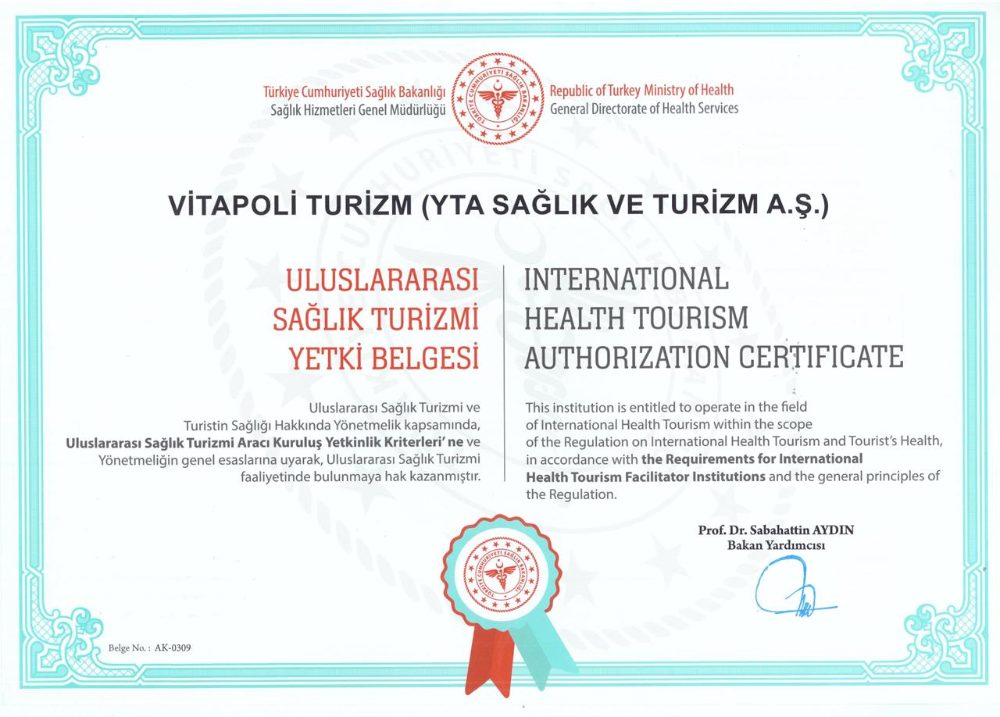
A medical tourism facilitator is an organisation that coordinates treatment abroad for international patients, for example arranging consultations, hospital bookings, transfers, accommodation and interpreters. In Turkey, such intermediaries must hold an authorisation from the Ministry of Health. The facilitator does not perform surgery; treatment is carried out by doctors at licensed hospitals, so patients should check who their surgeon is and which hospital is involved.
FUE (follicular unit extraction) is a hair transplant technique in which individual follicular units, small natural groups of one to four hairs, are removed one by one from a donor area, usually the back of the head, and implanted into thinning or bald areas. It leaves tiny dot-like scars instead of a linear scar. Transplanted hair typically sheds first and regrows gradually over the following months.
In hair transplantation, a graft is a single unit of tissue containing a natural group of one to four hair follicles that is moved from the donor area to the recipient area. The number of grafts is used to describe the size of a procedure, but grafts contain different numbers of hairs, so graft count alone does not predict density. The donor area's capacity limits how many can be safely harvested.
A zirconia crown is a tooth-shaped cap made from zirconium oxide, a strong, tooth-coloured ceramic, that is fitted over a prepared natural tooth or a dental implant to restore its shape, strength and appearance. To fit a crown on a natural tooth, some of the tooth's outer layer is removed. Crowns can chip or need replacing over time, and good oral hygiene helps protect the tooth underneath.
A dental implant is a small screw, usually made of titanium, that is placed into the jawbone to act as an artificial tooth root. Once it has fused with the bone, which typically takes a few months, a crown, bridge or denture is attached on top. Enough healthy bone and gums are needed; bone grafting may be required first. Smoking and gum disease can affect long-term success.
A trifocal lens implant is an artificial intraocular lens (IOL) that replaces the eye's natural lens, during cataract surgery or refractive lens exchange, and is designed to provide focus at three distances: near, intermediate and far. It can reduce dependence on glasses, but some people notice halos or glare around lights, especially at night. Suitability depends on a full eye examination by an ophthalmologist.
The information on this page is general and does not replace a personal consultation with a doctor.
AYT Clinic (YTA Sağlık ve Turizm A.Ş.) is a licensed health tourism intermediary (licence no. AK-0309) that coordinates treatments in Antalya.
Make an Appointment
Talatpaşa Boulevard No: 113-9, Hacettepe Mahallesi, Altındağ / Ankara, Türkiye
Çalkaya Falezleri Cad. No: 2 Daire: 8, Altıntaş / Aksu / Antalya, Türkiye
Send Email: [email protected]
Call Us: +90 850 888 6898