 Book Online
Share your details and our team will contact you shortly.
Most people wear a nasal splint for about one week, see bruising and visible swelling fade over roughly two to three weeks, and return to desk work within about two weeks. Strenuous exercise usually waits four to six weeks. Subtle swelling, especially at the tip, can take many months and sometimes up to a year to settle completely.
That is the short answer. The rest of this guide explains what usually happens at each stage, which signs are expected, which ones need a call to your surgical team, and how a trip to Antalya can be planned around the recovery. Every nose and every operation is different, so your surgeon's instructions always take priority over any general timeline.
Rhinoplasty (nose reshaping) can change the size or shape of the nose, the bridge, the tip or the nostrils, and it is sometimes combined with work on the septum to help breathing. According to the NHS, it is generally considered for adults whose nose has finished growing, who are in good general health, and who have realistic expectations about what surgery can and cannot change.
You may be a reasonable candidate if:
Whether surgery is right for you, and which approach is used, is decided by your surgeon after a full consultation and examination.
Rhinoplasty is usually performed under general anaesthesia. The surgeon works either entirely through incisions inside the nostrils (closed approach) or adds a small incision across the columella, the strip of skin between the nostrils (open approach). The skin is lifted so that bone and cartilage can be reshaped, reduced or supported with grafts.
At the end of the operation a splint is usually taped to the outside of the nose, and soft packing or internal splints may be placed inside. These protect the new structure during the first days of healing. How long they stay depends on what was done, and your surgeon will tell you when they come off.
The table below summarises what is commonly described by the NHS, BAPRAS and the American Society of Plastic Surgeons (ASPS). It is a general guide, not a prescription.
| Time after surgery | What is common | Typical guidance |
|---|---|---|
| Days 1–3 | Blocked nose, mouth breathing, light oozing or nosebleeds, swelling and bruising, a numb or stiff feeling | Rest with your head raised, avoid bending and blowing your nose, use the medication and cold measures your team advises |
| Days 4–7 | Bruising starts to turn yellow, breathing through the nose still limited | Gentle walking is often encouraged after a few days; the external splint and any stitches are usually removed around day 7 |
| Week 2 | Most visible bruising fading, nose looks swollen and may feel firm | Many people return to desk work within about two weeks; avoid knocks to the nose |
| Week 3 | Bruising, swelling and redness largely fade for most people | Swimming may be possible around three weeks if your surgeon agrees |
| Weeks 4–6 | Nose looks more refined, but still swollen, particularly in the morning | Strenuous exercise and contact sports usually wait 4–6 weeks |
| Months 2–6 | Residual swelling slowly reduces; numbness of the tip improves gradually | The NHS notes swelling can take up to six months to go fully |
| Months 6–12 | The tip and fine contours keep refining | ASPS says it may take up to a year for the new contour to fully refine |
The first week is the most restrictive. Breathing through the nose is usually difficult for about a week because of swelling and any internal packing or splints. Light bleeding in the first few days is common. A small pad under the nose may be used to catch drainage. Sleeping with the head raised and avoiding hot drinks, straining and heavy lifting are standard advice in many patient leaflets.
Bruising around the eyes is more likely when the nasal bones have been reshaped. BAPRAS describes bruising of around seven to ten days in that situation, with some yellowish discolouration lasting a little longer.
Once the splint is off, the nose often looks wider or "puffier" than expected. That is normal and is one of the main reasons people are surprised during this stage. Most visible bruising settles by the end of week three, and many people feel comfortable being seen in public again. Glasses resting on the bridge, contact sports and anything that could knock the nose are usually avoided for longer; ask your surgeon for specific timings.
From around four to six weeks, most patients are allowed to gradually resume harder exercise. The nose may still feel stiff or numb, and swelling tends to be worse in the mornings.
Swelling at the tip and along the skin of the nose takes the longest to go, especially with thicker skin or after an open approach. BAPRAS notes that around 60% of tip changes may be apparent after three weeks, while the rest can take several months or up to a year. This is why surgeons usually avoid judging the final result, or discussing any revision surgery, until the nose has had time to settle.
For a broader view of how surgical healing is staged, see our glossary entry on the recovery timeline.
Like any operation, rhinoplasty carries risks. The NHS lists general surgical risks such as bleeding, infection, blood clots in a vein (deep vein thrombosis) and allergic reaction to the anaesthetic. Procedure-specific risks include:
Contact your surgical team promptly if you notice heavy or persistent bleeding, rapidly increasing pain or swelling, fever, a foul-smelling discharge, or any change in vision. Your surgeon will explain your individual risk profile before surgery.
AYT Clinic is a licensed health tourism facilitator. We coordinate the trip; the operation itself is performed by the surgeon and hospital named in your plan. When rhinoplasty is planned in Antalya, the key questions are usually:
If something is not covered in your plan, ask us before you travel.
In most cases the external splint is removed around seven days after surgery, often together with any non-dissolving stitches. Your surgeon decides the exact day.
Visible swelling and bruising usually fade within about three weeks. Residual swelling, especially at the tip, can last several months, and the final contour may take up to a year to fully refine.
Many people return to desk-based work within about two weeks. Physical jobs may need longer. Your surgeon will advise based on your procedure and job.
Light walking is often encouraged after a few days. Swimming may be possible around three weeks, and strenuous exercise or contact sports usually wait four to six weeks or longer, as your surgeon advises.
Sources such as BAPRAS note that swelling is generally greater after an open approach and recovery can take longer, but the overall difference varies between patients. Read our guide to open vs closed rhinoplasty for more detail.
If you are thinking about nose reshaping, start with our rhinoplasty treatment page and the rhinoplasty aftercare page. Send us your questions and photos, and we will explain how a personal plan would be put together.
This article is for general information and does not replace a consultation with a qualified surgeon.
Related reading: Open vs Closed Rhinoplasty: Which Technique Is Right for You? · Rhinoplasty in Turkey vs UK: What to Check Before You Book · Rhinoplasty cost in Turkey: what's included
Medically reviewed by Dr. Mehmet Ali Korkmaz, Plastic Surgeon.
Last updated: 14.11.2026
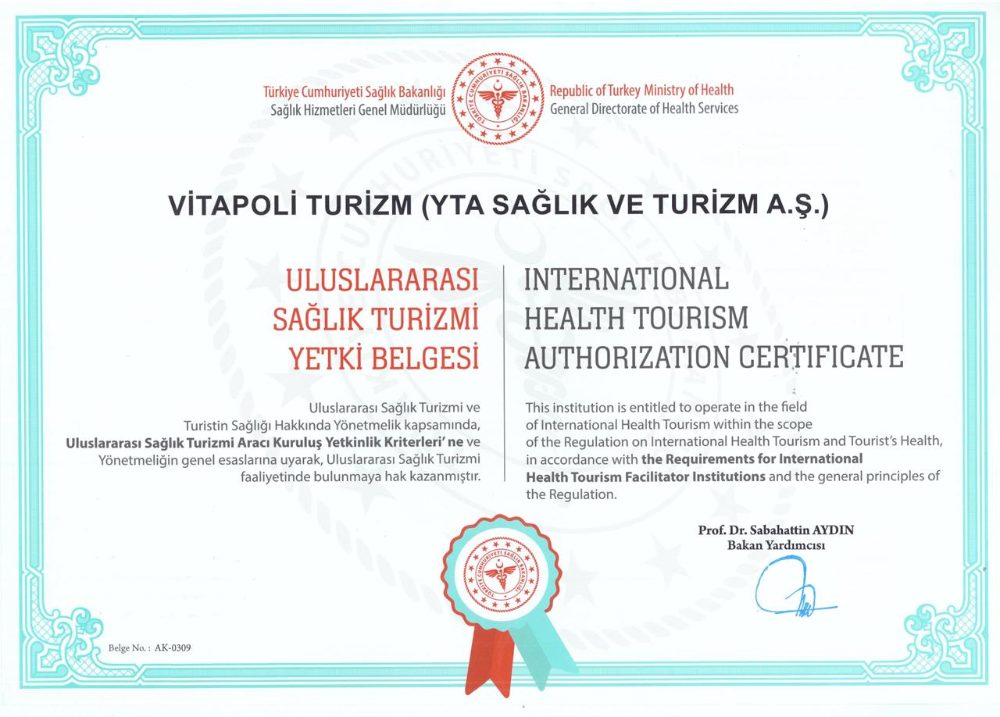
AYT Clinic (YTA Sağlık ve Turizm A.Ş.) is a licensed health tourism intermediary (licence no. AK-0309) that coordinates treatments in Antalya.
Make an Appointment
Talatpaşa Boulevard No: 113-9, Hacettepe Mahallesi, Altındağ / Ankara, Türkiye
Çalkaya Falezleri Cad. No: 2 Daire: 8, Altıntaş / Aksu / Antalya, Türkiye
Send Email: [email protected]
Call Us: +90 850 888 6898