 Book Online
Last updated: November 2026
Flying after surgery refers to the advice on when it is safe to travel by air following an operation. Air travel involves long periods of sitting and lower cabin pressure, which can raise the risk of blood clots and affect healing. The safe interval depends on the procedure and your recovery, so patients travelling abroad for surgery should plan to stay locally until they have been reviewed and declared fit to fly.
There is no single waiting time that applies to everyone. Your surgeon considers the type and length of the operation, your personal clot risk, how your wounds and drains are healing, whether you can walk comfortably and whether any problems have appeared. A final check before departure is common. Some airlines or insurers may ask for written confirmation, so check in advance.
Book your return flight only after discussing the recommended stay with your surgeon, and consider flexible tickets in case your recovery takes longer. If you are planning surgery in Antalya with AYT Clinic, your coordinator can arrange your follow-up appointment with your surgeon before departure.
For most patients who follow medical advice it is manageable, but it does add to clot risk, which is why timing and precautions matter.
Longer flights carry a higher clot risk. Tell your surgeon about your full route, including connections.
Seek urgent medical help for sudden breathlessness, chest pain, coughing up blood, or pain and swelling in one leg.
Related: Can you fly after breast augmentation? · Deep vein thrombosis (DVT) · Medical tourism facilitator · Recovery timeline · Full patient glossary
This information is general and does not replace a personal consultation with a doctor.
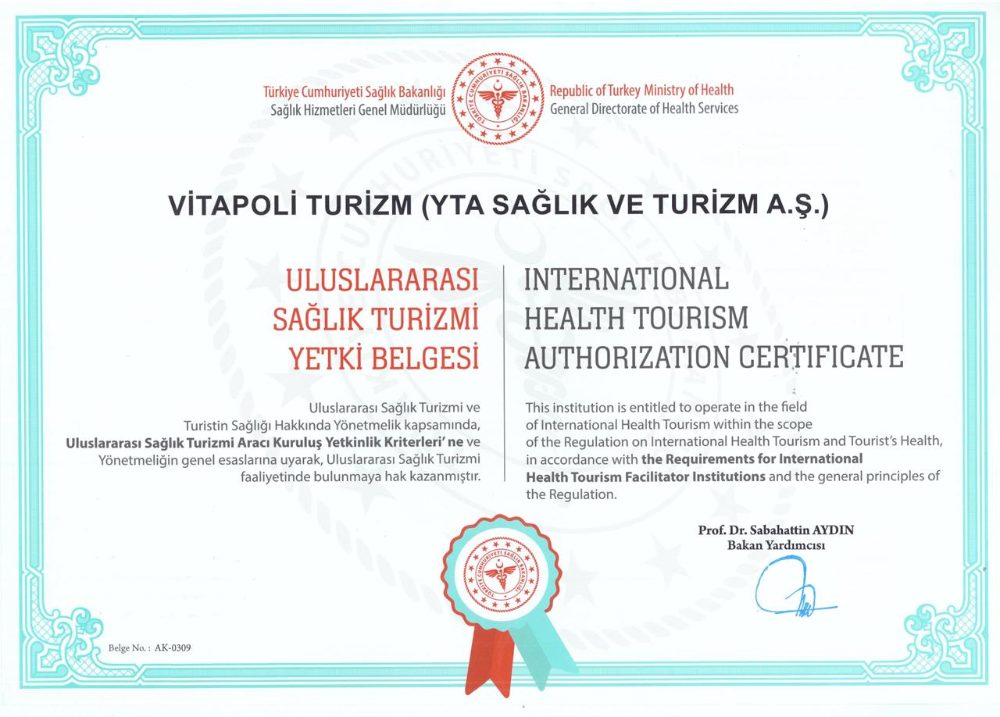
AYT Clinic (YTA Sağlık ve Turizm A.Ş.) is a licensed health tourism intermediary (licence no. AK-0309) that coordinates treatments in Antalya.
Make an Appointment
Talatpaşa Boulevard No: 113-9, Hacettepe Mahallesi, Altındağ / Ankara, Türkiye
Çalkaya Falezleri Cad. No: 2 Daire: 8, Altıntaş / Aksu / Antalya, Türkiye
Send Email: [email protected]
Call Us: +90 850 888 6898