 Book Online
Last updated: November 2026
Deep vein thrombosis (DVT) is a blood clot in a deep vein, usually in the leg. Surgery, reduced movement and long journeys raise the risk, which is why measures such as early walking, compression stockings, hydration and sometimes blood-thinning injections are used around operations. Sudden breathlessness or chest pain can mean a clot has travelled to the lungs (pulmonary embolism), which is a medical emergency.
Blood is more likely to clot when it flows slowly, when vessel walls are irritated and when the blood itself becomes "stickier". All three can happen around an operation: you lie still during anaesthesia, move less afterwards and the body's healing response increases clotting. Other factors that raise risk include:
Possible DVT: pain, swelling, warmth or redness in one leg, often the calf, or a heavy ache in the leg.
Possible pulmonary embolism: sudden shortness of breath, chest pain that may be worse when breathing in, a fast heartbeat, coughing up blood or collapse. Call emergency services immediately (999 in the UK, 112 in Germany and Turkey).
A doctor will examine you and usually arrange a blood test (D-dimer) and an ultrasound scan of the leg veins. If a clot is found, it is treated with anticoagulant (blood-thinning) medicine for a period decided by your doctor. Suspected pulmonary embolism is investigated urgently in hospital.
Before surgery, your team assesses your individual clot risk. Depending on that assessment, prevention may include compression stockings, devices that gently squeeze the legs during the operation, blood-thinning injections and getting up and walking as soon as you are allowed. Drinking enough fluids, moving your feet and ankles regularly and avoiding long periods of sitting also help. Tell your surgeon about any previous clots and all medicines you take, including the contraceptive pill.
Flying adds to clot risk. Your surgeon will advise when it is reasonable for you to travel and what precautions to take.
Do not stop any medicine on your own. Discuss it with your surgeon, who will advise based on your risk.
Yes. Risk remains raised for some weeks after an operation, so keep watching for warning signs after you return home.
Related: Can you fly after breast augmentation? · Flying after surgery · General anaesthesia · Compression garment · Full patient glossary
This information is general and does not replace a personal consultation with a doctor.
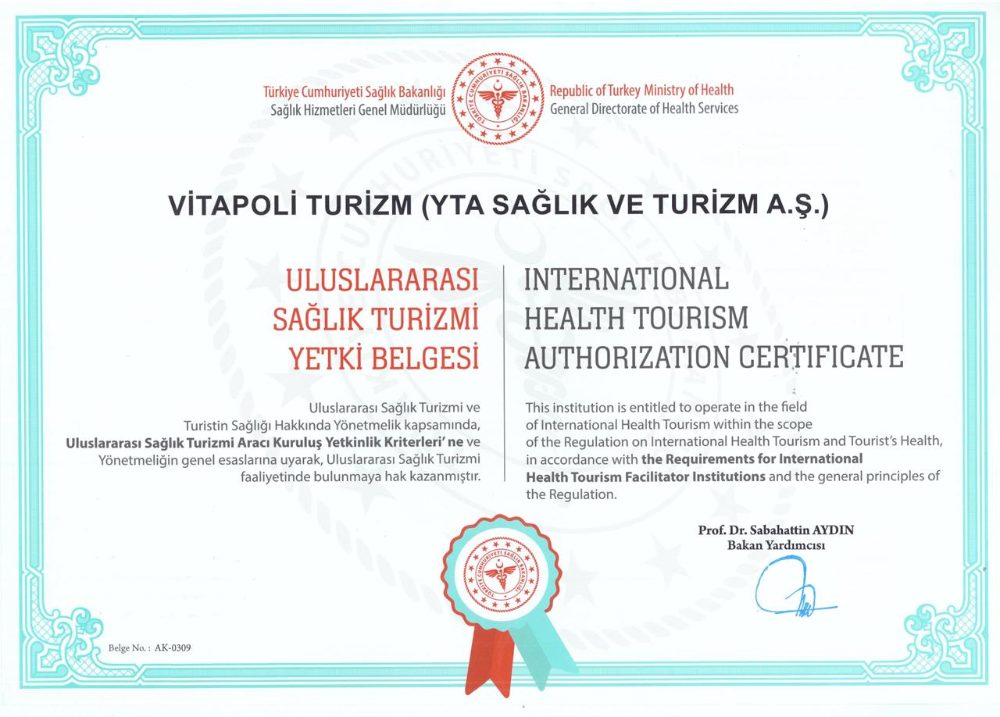
AYT Clinic (YTA Sağlık ve Turizm A.Ş.) is a licensed health tourism intermediary (licence no. AK-0309) that coordinates treatments in Antalya.
Make an Appointment
Talatpaşa Boulevard No: 113-9, Hacettepe Mahallesi, Altındağ / Ankara, Türkiye
Çalkaya Falezleri Cad. No: 2 Daire: 8, Altıntaş / Aksu / Antalya, Türkiye
Send Email: [email protected]
Call Us: +90 850 888 6898