 Book Online
Share your details and our team will contact you shortly.
Should you have bariatric surgery before pregnancy, or try for a baby first and think about weight loss surgery later? For women living with obesity who want children, this is one of the most important decisions they will make, and the answer is rarely a simple yes or no. Weight loss surgery before pregnancy can restore fertility, lower the risk of gestational diabetes and pre-eclampsia and make pregnancy itself safer. At the same time, conceiving too soon after a gastric sleeve or bypass carries real risks for the baby, and a small group of women are better advised to have their pregnancy first. This guide sets out what the evidence says, how long to wait, which operation suits women planning a family, how pregnancy is monitored after bariatric surgery, and how AYT Clinic in Antalya plans surgery for patients who want to become mothers.
Obesity, particularly with a BMI above 35, makes it harder to conceive and more dangerous to be pregnant. Excess body fat disturbs the hormone balance that controls ovulation; polycystic ovary syndrome (PCOS) and irregular or absent periods are far more common in women with obesity, and IVF success rates fall as BMI rises. Once pregnant, women with obesity face a two- to three-fold higher risk of gestational diabetes, pregnancy-induced high blood pressure and pre-eclampsia, a higher rate of large babies and difficult deliveries, more caesarean sections, more blood clots and more post-partum haemorrhage. Miscarriage and stillbirth rates are also higher. None of this means a woman with obesity cannot have a healthy pregnancy, but it explains why obstetricians increasingly ask about weight before, rather than during, pregnancy.
Weight loss after a gastric sleeve or gastric bypass reverses much of this picture. In women with PCOS, periods usually become regular within months of surgery and spontaneous ovulation returns; many patients who had tried to conceive for years become pregnant within one to two years of their operation, often without fertility treatment. Large registry studies comparing women who had bariatric surgery with women of similar starting weight who did not show roughly half the rate of gestational diabetes, a clear reduction in pregnancy-induced hypertension and pre-eclampsia, fewer very large babies and fewer caesarean sections. Insulin resistance, sleep apnoea and joint pain improve as well, which makes carrying a pregnancy physically easier.
The improvement is not free of trade-offs. After bariatric surgery babies are on average a little smaller, and the risk of a small-for-gestational-age baby and of preterm birth is modestly higher than in women who did not have surgery. These risks are strongly linked to timing and nutrition, which is why the next two sections matter so much.
The first 12 to 18 months after surgery are the rapid weight-loss phase. Your body is in a sustained calorie deficit, daily intake may be as low as 600 to 900 calories, vitamin and mineral stores are being depleted rather than built, and nausea or food intolerance is common. A pregnancy that begins in this window exposes the baby to exactly the conditions that cause poor growth. For this reason international bariatric societies such as ASMBS and IFSO, and obstetric bodies such as ACOG, advise waiting at least 12 months, and most bariatric teams recommend 12 to 18 months, until weight has been stable for three to six months and blood tests are normal.
There is an important practical warning here. Fertility returns quickly after surgery, often within weeks, and women who had struggled to conceive for years sometimes assume they still cannot. Unplanned pregnancies in the first year after bariatric surgery are common. Reliable contraception during the waiting period is part of the surgical plan, and after a gastric bypass the combined pill is considered less reliable because absorption is reduced; an intrauterine device or a contraceptive implant, which do not depend on the gut, are usually recommended instead.
Both operations are compatible with a healthy pregnancy, but they behave differently. A gastric sleeve removes part of the stomach and leaves the intestine untouched, so the absorption of iron, calcium, folate and vitamin B12 is less affected. For women who plan to become pregnant in the next few years and do not have severe reflux or type 2 diabetes, the sleeve is often the first choice. A gastric bypass gives a stronger metabolic effect and is preferred when there is poorly controlled diabetes or significant reflux, but it reroutes the intestine and therefore carries a higher risk of nutritional deficiency during pregnancy, needs closer monitoring, and brings two bypass-specific issues: the standard glucose tolerance test used to screen for gestational diabetes can trigger dumping syndrome and is replaced by alternative monitoring, and, rarely, an internal hernia can develop as the pregnant uterus shifts the bowel. Severe abdominal pain in a pregnant woman with a bypass is always treated as an emergency until proven otherwise. Your bariatric surgeon and gynaecologist decide together; our comparison of gastric sleeve vs gastric bypass covers the general differences.
When the waiting period is over, preparation starts about three months before you try to conceive. Blood tests check ferritin and haemoglobin, vitamin B12, folate, vitamin D, calcium, zinc and vitamin A, and any deficiency is corrected first. Folic acid is started before conception at the dose your team advises, which for bariatric patients is usually higher than the standard dose given to other women. Your bariatric multivitamin, calcium citrate and vitamin D continue throughout; our guide to supplements after gastric bypass explains the regimen in detail. Protein intake of at least 60 grams a day is kept up, alcohol and smoking are stopped, and weight should be stable rather than still falling. The article on pregnancy after gastric sleeve describes the waiting period itself in more depth.
Pregnancy after bariatric surgery is treated as higher-risk in a positive sense: more checks, not more problems. Blood tests for iron, B12, folate, vitamin D and calcium are repeated every trimester, and doses are adjusted. Gestational diabetes is screened with fasting and post-meal glucose measurements or continuous glucose monitoring rather than a sugar-load test. Growth scans are performed more often in the second half of pregnancy to make sure the baby is growing well. Nausea in early pregnancy can be harder to distinguish from surgical problems such as a stricture or an ulcer, so persistent vomiting is investigated rather than dismissed. The mode of delivery is decided on obstetric grounds alone; bariatric surgery is not a reason for a caesarean section. After the birth, breastfeeding is encouraged and supplements are continued, because deficiencies in the mother pass into breast milk.
For a woman under about 35 with a BMI of 35 or more, especially with PCOS, type 2 diabetes, infertility or a previous pregnancy complicated by diabetes or pre-eclampsia, having bariatric surgery first and planning pregnancy 12 to 18 months later is usually the safest route. For a woman in her late thirties or older, the picture changes: the waiting period costs fertile time, egg reserve declines with age, and for some patients a pregnancy first, followed by surgery afterwards, is the better sequence. Women with a BMI below 35 who are otherwise healthy are often not candidates for surgery at all and are guided towards medical and lifestyle treatment. These decisions belong in a joint consultation between the bariatric surgeon and the gynaecologist, with the woman's age, ovarian reserve, BMI, medical conditions and family plans all on the table. Our guide to eligibility for gastric sleeve surgery explains the general criteria.
At AYT Clinic in Antalya, patients who tell us they want children are asked about it at the very first consultation, because it shapes the choice of operation, the contraception plan and the follow-up schedule. The bariatric surgeon reviews your medical history, menstrual history and any fertility treatment, and advises whether a sleeve or a bypass fits your situation. The all-inclusive package covers pre-operative tests including endoscopy, the laparoscopic operation in a fully licensed hospital, three nights in hospital and one night in a partner hotel, private transfers, a dietitian plan and remote follow-up after you return home; a gastric sleeve starts from £2,400 (≈ €2,800) and a gastric bypass from £2,900 (≈ €3,400), hotel and transfers included. When you are ready to plan a pregnancy, the dietitian reviews your blood results and supplement plan again, and the team coordinates with your gynaecologist at home so that the waiting period, the preparation and the pregnancy itself are managed together.
Most bariatric and obstetric guidelines advise waiting at least 12 months, and ideally 12 to 18 months, until your weight has been stable for three to six months and your vitamin and iron levels are normal. Conceiving earlier increases the risk of a small baby and preterm birth.
In most women with obesity-related infertility, yes. Periods become regular, ovulation returns and many women conceive naturally after surgery. Women with other causes of infertility may still need fertility treatment, but their chances improve as BMI falls.
Oral contraceptives may be absorbed less reliably after a bypass, so they are not the preferred method in the waiting period. Intrauterine devices and contraceptive implants work independently of the gut and are usually recommended; discuss the choice with your gynaecologist before surgery.
Both are compatible with a healthy pregnancy. The sleeve causes less nutrient malabsorption and avoids the bypass-specific issues of dumping and internal hernia, so it is often favoured when pregnancy is planned; the bypass is chosen when diabetes or severe reflux outweigh those considerations.
No. Bariatric surgery is not in itself a reason for a caesarean section. The method of delivery is decided on normal obstetric grounds, and women who have had surgery often have fewer complicated deliveries than they would have had at their previous weight.
Yes. Breastfeeding is encouraged. Continue your supplements and have blood tests during breastfeeding, because deficiencies in the mother can affect the milk; your team may adjust doses of vitamin B12, vitamin D and iron.
Related terms in our patient glossary: Sleeve gastrectomy (gastric sleeve) · Gastric bypass · Acid reflux after gastric sleeve · Dumping syndrome
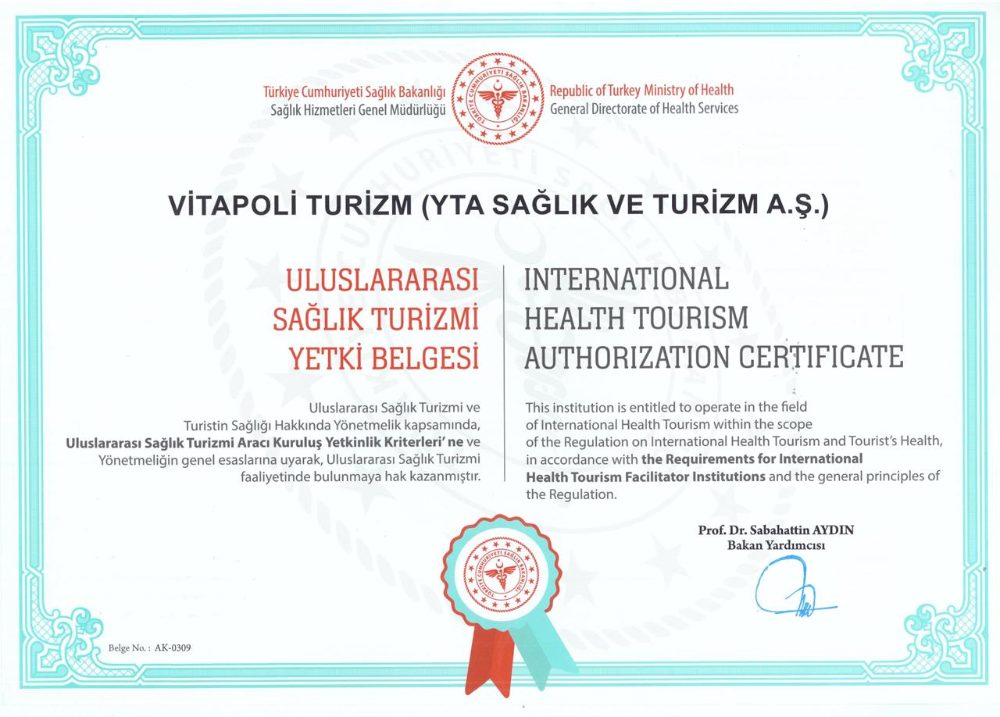
AYT Clinic (YTA Sağlık ve Turizm A.Ş.) is a licensed health tourism intermediary (licence no. AK-0309) that coordinates treatments in Antalya.
Make an Appointment
Talatpaşa Boulevard No: 113-9, Hacettepe Mahallesi, Altındağ / Ankara, Türkiye
Çalkaya Falezleri Cad. No: 2 Daire: 8, Altıntaş / Aksu / Antalya, Türkiye
Send Email: [email protected]
Call Us: +90 850 888 6898