 Book Online
Share your details and our team will contact you shortly.
Gastric bypass supplements are not an optional extra for the first few months; they are part of the operation for the rest of your life. If you have searched for "gastric bypass supplements" or "vitamins after gastric sleeve" and found a confusing mix of brand adverts and forum opinions, this guide sets out what international bariatric societies such as ASMBS and BOMSS actually recommend after a Roux-en-Y gastric bypass, why the bypass makes these supplements necessary, how to take them so they work, which blood tests you need and how to spot a deficiency early. It is general information for patients of AYT Clinic in Antalya and anyone considering surgery; your own bariatric team or GP sets your personal doses.
A gastric bypass works in two ways. The small stomach pouch limits how much you can eat, and the rerouted intestine means food skips the rest of the stomach, the duodenum and the first part of the jejunum. Those bypassed sections are exactly where the body absorbs most of its iron, calcium, folate and several other nutrients. Two further changes add to the problem: the pouch produces far less stomach acid, which is needed to release iron and vitamin B12 from food, and much of the intrinsic factor that carries B12 into the bloodstream is no longer in contact with what you eat.
The result is that even a well-balanced diet cannot deliver enough of certain nutrients after a bypass. Deficiencies rarely cause symptoms in the first year because the body uses its stores, which is why people who feel well sometimes stop their supplements. Most problems appear between the second and fifth year, often after a patient has stopped taking tablets. This is also the main difference from a gastric sleeve: a sleeve reduces intake and acid but keeps the intestine intact, so its supplement plan is lighter. Our separate guide to vitamins after gastric sleeve surgery covers that operation.
The doses below reflect current guidance from international bariatric societies for adults after a Roux-en-Y gastric bypass. They are starting points; your team adjusts them to your blood results.
One or two tablets a day of a complete bariatric multivitamin providing at least 200% of the daily values for most vitamins, including thiamine (vitamin B1), folate, zinc and copper. Ordinary supermarket multivitamins and most gummies are not designed for malabsorption: gummies usually contain no iron and little or no thiamine, so they are not suitable as your main supplement.
350 to 1,000 micrograms a day by mouth (tablet, dissolvable or spray), or an injection every one to three months arranged through your GP. B12 deficiency develops slowly and can cause irreversible nerve damage, so this is one supplement that must never be skipped.
Around 45 to 60 mg of elemental iron a day for menstruating women and anyone at higher risk, and at least 18 mg for everyone else, usually as part of the multivitamin plus a separate iron tablet. Take iron with a source of vitamin C and at least two hours apart from calcium, tea and coffee, which block its absorption.
1,200 to 1,500 mg of calcium a day, as calcium citrate rather than calcium carbonate, because citrate does not depend on stomach acid. Split it into two or three doses of no more than 500 to 600 mg, since the body cannot absorb more at once, and keep every dose two hours away from iron.
Around 3,000 IU of vitamin D3 a day as a starting dose, adjusted until your blood level is in the normal range. Vitamin D works together with calcium to protect your bones, and bone loss is one of the quieter long-term risks after bypass surgery.
At least 12 mg of thiamine a day is included in good bariatric multivitamins; higher doses are needed if you are vomiting repeatedly, because a thiamine deficiency can develop within weeks and affect the nervous system. Folate of 400 to 800 micrograms a day (800 to 1,000 for women who could become pregnant), zinc of about 8 to 22 mg and copper of around 2 mg complete the list. Zinc and copper compete with each other, so they should come from a balanced multivitamin rather than separate high-dose products unless a deficiency has been confirmed.
After a standard gastric bypass these are usually covered by the multivitamin and only need separate replacement if a blood test shows a shortfall. Patients with a distal bypass or additional malabsorption need closer monitoring.
Protein is not a supplement in the strict sense, but it belongs in every discussion about gastric bypass supplements because it is the nutrient patients most often under-eat. Aim for 60 to 80 g of protein a day, or more if your dietitian advises, from lean meat, fish, eggs, dairy, pulses and, where needed, a whey or plant-based protein powder with little sugar. Eat the protein portion of every meal first, chew slowly and stop before you feel full. Our article on protein intake after gastric sleeve explains portion sizes and good sources; the same principles apply after a bypass, with a slightly higher target in most plans.
Supplements only work if someone checks that they are working. The usual schedule is a full set of blood tests at three, six and twelve months after surgery and then once a year for life. The panel normally includes a full blood count, ferritin and iron studies, vitamin B12 and folate, vitamin D with calcium and parathyroid hormone, thiamine where indicated, zinc, copper, liver and kidney function, HbA1c and lipids. Women planning pregnancy and anyone with persistent vomiting, hair loss or tingling need extra tests. Your GP can carry out these annual checks; make sure the bypass is recorded in your medical notes.
Persistent tiredness, breathlessness on stairs or paleness can point to iron or B12 anaemia. Tingling, numbness in the feet or hands, poor balance or memory problems suggest B12 or thiamine deficiency and need urgent attention. Hair loss in the first six months is common and usually linked to rapid weight loss and low protein, but hair loss that continues past the first year should prompt a check of iron, zinc and protein. Night blindness or very dry eyes can indicate vitamin A deficiency; muscle cramps, bone pain and dental problems can signal low calcium or vitamin D. Repeated vomiting for more than a day or two after a bypass is never something to wait out, because it quickly depletes thiamine.
Most surgeons advise waiting 12 to 18 months after a gastric bypass before trying to conceive, so that weight has stabilised and nutrient stores are rebuilt. During pregnancy the standard regimen continues, with folate raised to the higher end, iron and B12 monitored every trimester, and standard glucose tolerance tests replaced by alternative monitoring because of dumping. As the years pass, needs do not fall: bone density, iron and B12 should still be checked annually, and many patients find they need a higher vitamin D dose in winter.
Patients who have their gastric bypass at AYT Clinic in Antalya leave with a written supplement plan from the bariatric dietitian, a staged diet guide for the first months, and a schedule of the blood tests to arrange at home. The patient coordinator stays in contact after you return, results can be reviewed remotely with the surgical team, and the plan is adjusted as your weight and blood values change. The all-inclusive gastric bypass package, including hospital stay, hotel and transfers, starts from £2,900 (≈ €3,400); the exact plan is confirmed after a consultation.
For life. The bypassed part of the intestine does not grow back its absorptive capacity, so a daily multivitamin, B12, calcium citrate, vitamin D and, for most people, iron remain necessary permanently.
Not as your main supplement. They are designed for people with normal absorption, usually contain too little iron, thiamine and B12, and gummies often contain none at all. Choose a product made for bariatric patients or follow your team's brand-independent dose list.
Calcium carbonate needs stomach acid to dissolve, and the small pouch after a bypass produces very little. Calcium citrate is absorbed without acid, which is why bariatric guidelines specifically recommend it.
A short gap is unlikely to cause harm, but do not double up to catch up. Restart your normal doses and mention the gap at your next blood test. Gaps of several months are more serious and justify an earlier check, especially for B12 and iron.
Both are accepted. High-dose oral B12 of 350 to 1,000 micrograms a day works for most patients because a small amount is absorbed without intrinsic factor. If blood levels stay low on tablets, your GP can switch you to injections every one to three months.
Yes. After a sleeve the intestine is untouched, so iron and calcium absorption are less affected, and the regimen is simpler, although B12, vitamin D and a multivitamin are still recommended. After a bypass the full regimen described above applies.
Related terms in our patient glossary: Vitamin and mineral supplements after bariatric surgery · Gastric bypass · Sleeve gastrectomy (gastric sleeve) · Dumping syndrome
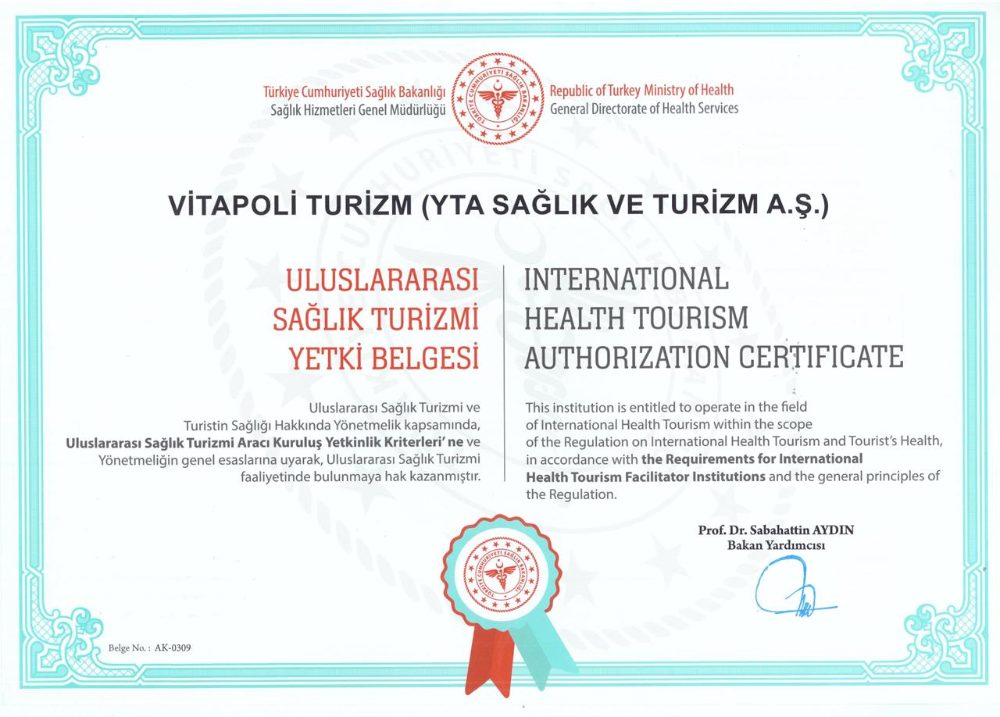
AYT Clinic (YTA Sağlık ve Turizm A.Ş.) is a licensed health tourism intermediary (licence no. AK-0309) that coordinates treatments in Antalya.
Make an Appointment
Talatpaşa Boulevard No: 113-9, Hacettepe Mahallesi, Altındağ / Ankara, Türkiye
Çalkaya Falezleri Cad. No: 2 Daire: 8, Altıntaş / Aksu / Antalya, Türkiye
Send Email: [email protected]
Call Us: +90 850 888 6898