 Book Online
Last updated: November 2026
Capsular contracture is a tightening of the natural scar tissue capsule that the body forms around every breast implant. In most people this capsule stays thin and soft, but if it thickens and contracts it can squeeze the implant, making the breast feel firm, look rounder or sit higher, and sometimes cause discomfort. It is graded from I to IV on the Baker scale, and treatment depends on how severe it is.
Forming a capsule is a normal healing response to any implant. Why it tightens in some people is not fully understood. Factors that have been linked to a higher likelihood include low-grade bacterial contamination of the implant surface (biofilm), bleeding around the implant after surgery (haematoma), radiotherapy to the chest, implant rupture and, in some studies, implant placement above the muscle. It can develop in the months after surgery or many years later, and it can affect one breast or both.
Your surgeon will examine both breasts, ask when you first noticed changes and compare the shape and firmness with how they were after surgery. An ultrasound or MRI scan may be suggested, mainly to check whether the implant is intact, because rupture and capsular contracture can occur together.
Grades I and II usually need no treatment, only monitoring. For grades III and IV, revision surgery is the main option. Depending on the situation, a surgeon may release the capsule (capsulotomy), remove part or all of it (capsulectomy), replace the implant, move it to a different pocket, or remove the implants altogether. Which option suits you is decided by your surgeon after an examination.
It is not usually a threat to general health, but it can be uncomfortable and change the look of the breast. Any new firmness, swelling or pain should still be checked by a surgeon.
Some surgeons recommend breast massage after augmentation and others do not; the evidence is mixed. Follow the aftercare instructions your own surgeon gives you.
Yes, it can recur, which is why your surgeon will discuss the likely cause and the approach that fits your case before any revision.
Contact your surgeon if a breast becomes firmer, changes shape, or becomes painful. Seek prompt medical help for sudden swelling, redness, warmth or fever, as these can point to bleeding or infection rather than contracture.
Related: Breast implant revision · Capsular contracture after breast augmentation (patient guide) · Breast implant rupture · Breast implant removal (explant) · Submuscular placement · Full patient glossary
This information is general and does not replace a personal consultation with a doctor.
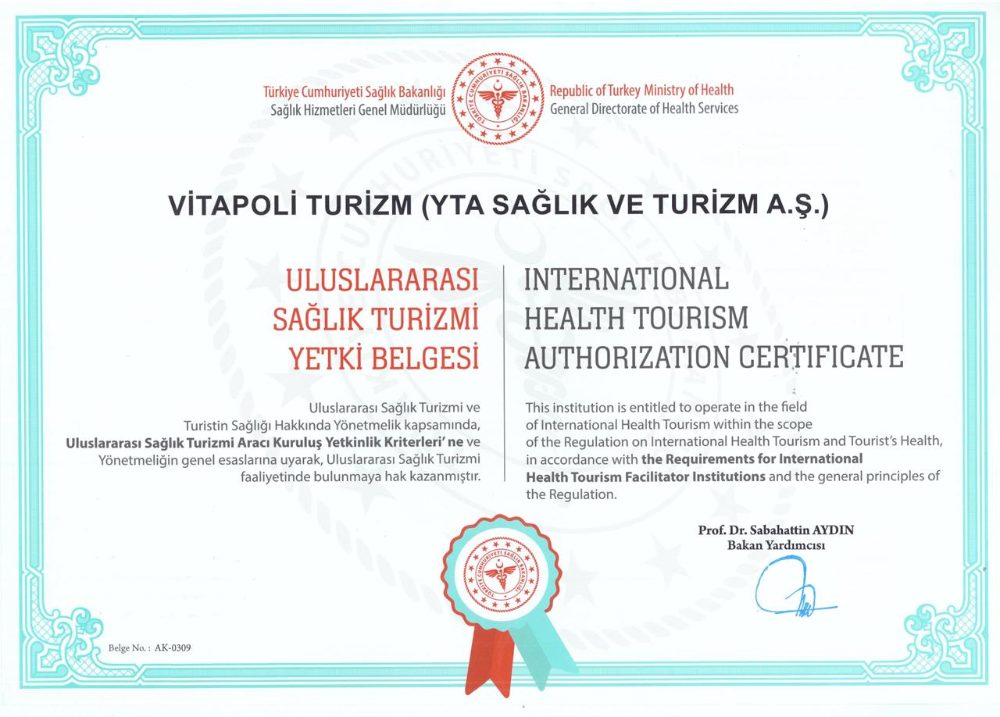
AYT Clinic (YTA Sağlık ve Turizm A.Ş.) is a licensed health tourism intermediary (licence no. AK-0309) that coordinates treatments in Antalya.
Make an Appointment
Talatpaşa Boulevard No: 113-9, Hacettepe Mahallesi, Altındağ / Ankara, Türkiye
Çalkaya Falezleri Cad. No: 2 Daire: 8, Altıntaş / Aksu / Antalya, Türkiye
Send Email: [email protected]
Call Us: +90 850 888 6898