 Book Online
Share your details and our team will contact you shortly.
"Turkey teeth" is UK slang for very white, very even smiles made with full sets of crowns or veneers, often during treatment abroad. The real concern is not the country but over-preparation: filing healthy teeth down for crowns when a less invasive option might work. Diagnosis, the amount of tooth removed and aftercare matter most. See our porcelain veneers in Antalya page for how treatment is planned.
The phrase spread on UK social media and reality TV, where bright, uniform smiles became a trend and some people later shared problems such as sensitivity or painful, filed-down teeth. It is now used loosely for any full-mouth cosmetic dental work done in Turkey, good or bad.
It helps to separate three things the term mixes together:
A porcelain veneer is a thin shell bonded to the front of a tooth. A zirconia crown or other full crown covers the whole tooth. The difference in tooth preparation is large. A laboratory study on front teeth found that veneer preparations removed roughly 3–30% of the tooth crown by weight, while full-crown preparations removed about 63–72% [1].
| Porcelain veneer | Full crown | |
|---|---|---|
| What it covers | Front surface (sometimes the biting edge) | The whole visible tooth |
| Tooth removed (front teeth, lab study) | About 3–30% [1] | About 63–72% [1] |
| Reversible? | No: enamel removal cannot be undone [2] | No |
| Typical reasons | Colour, small chips, minor gaps or shape changes on healthy teeth [2, 3] | Broken, heavily filled, root-filled or weak teeth; implant tops [4] |
| Starting price at AYT | From £185 per tooth | From £120 per tooth (zirconia) |
Neither option is "bad". A crown is the right choice for a tooth that is already weak or heavily restored [4]. The problem arises when healthy teeth are reduced for crowns mainly because it is faster or makes it easier to produce a uniform look.
Most problems come from removing too much tooth, poor fit or a lack of follow-up:
The British Dental Association (BDA) reported in 2022 that, in its survey, among responding UK dentists who had seen patients treated abroad, 86% said they had treated complications after that treatment, and that crowns and implants were the treatments most often needing follow-up work [5]. The Oral Health Foundation adds that standards differ between countries and that fixing problems later can cost more than the original treatment [6].
These risks are not unique to any one country. They are the risks of irreversible cosmetic dentistry without careful planning.
| Green flags | Red flags |
|---|---|
| X-rays and a full examination before any decision | A fixed number of teeth offered before anyone has seen your mouth |
| Decay and gum disease treated first [2] | Healthy teeth reduced for crowns without explanation |
| Options explained, including less invasive ones | Only one option offered |
| Written plan naming the treatment for each tooth | "Veneers" in the offer, crowns in the chair |
| Temporary teeth or a trial smile before final work | Final work fitted with no try-in or bite check |
| Written aftercare and records of materials | No plan for problems after you return home |
The NHS checklist for treatment abroad and the Oral Health Foundation both recommend checking qualifications, getting a written plan with costs and agreeing follow-up arrangements before you travel [6, 7].
Depending on your teeth, less invasive options may be enough on their own or combined with a few restorations:
The NHS notes that some veneers need a small amount of the tooth surface removed and some do not [3].
If you have pain, sensitivity, swelling, loose crowns or bite problems after treatment abroad, see a dentist promptly. Bring any records you have: X-rays, the treatment plan and details of materials. Contact the treating clinic too; many problems such as a loose crown are simpler to fix early.
AYT Clinic is a licensed health tourism facilitator. Treatment is carried out by the dentist and clinic named in your plan; AYT coordinates the process. Your plan starts with photos and, ideally, a recent X-ray, followed by an in-person consultation and examination in Antalya before any tooth is prepared. The written plan states, tooth by tooth, whether a veneer, a crown or another option is proposed, and why.
The term is used for both. In many widely shared cases, the teeth were actually full crowns rather than veneers. Always ask which you are being offered.
Any irreversible dental treatment has risks. Results depend on diagnosis, how much tooth is removed, fit, bite and aftercare, not on the country alone [1, 5, 6].
Usually a thin layer of enamel is removed from the front of the tooth; some veneers need little or none [3]. Crowns require much more reduction [1].
No. Once enamel and tooth structure are removed, the tooth will always need a restoration [2]. Crowns and veneers can be replaced, but the tooth underneath cannot be restored to its original state.
With good care, many years, but not indefinitely. Chipping and debonding are common reasons for repair [2]. See our guide on how long veneers last.
Choose a shade that suits your skin and eyes, ask for a trial smile, and treat only the teeth that need it.
Compare the details on our porcelain veneers and zirconia crowns pages, then send us photos of your smile. The dental team will tell you which option it suggests for each tooth, and why.
Tüm URL'ler 13.11.2026'da kontrol edildi (HTTP 200, PubMed E-utilities kaydı veya web araması ile).
Dentist
Last updated: 14.11.2026
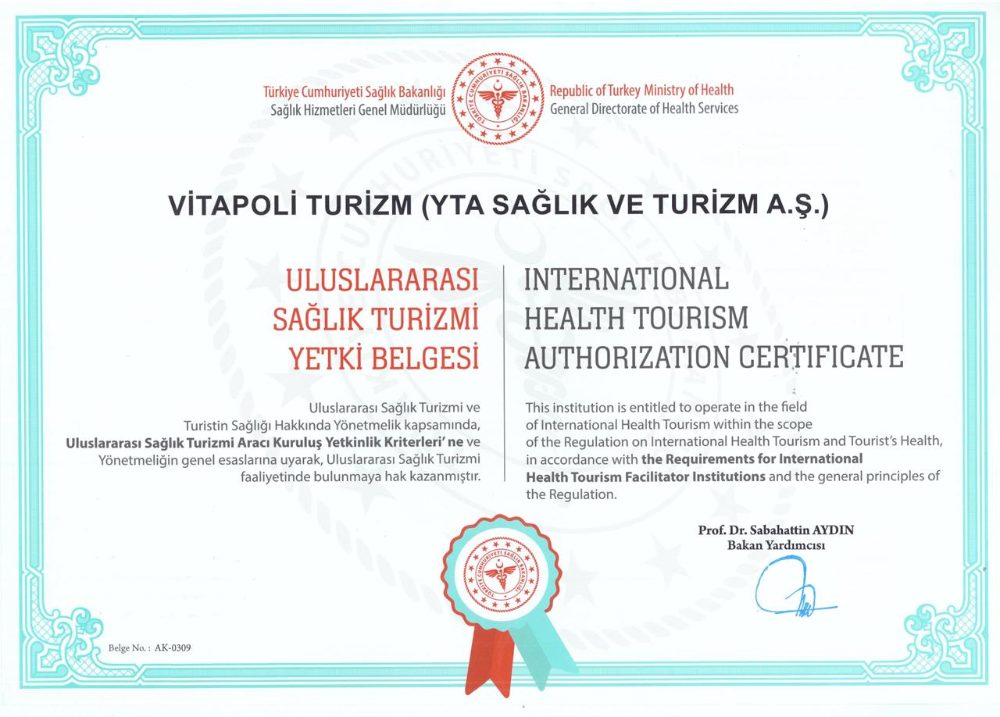
AYT Clinic (YTA Sağlık ve Turizm A.Ş.) is a licensed health tourism intermediary (licence no. AK-0309) that coordinates treatments in Antalya.
Make an Appointment
Talatpaşa Boulevard No: 113-9, Hacettepe Mahallesi, Altındağ / Ankara, Türkiye
Çalkaya Falezleri Cad. No: 2 Daire: 8, Altıntaş / Aksu / Antalya, Türkiye
Send Email: [email protected]
Call Us: +90 850 888 6898