 Book Online
Share your details and our team will contact you shortly.
Most dental implants last many years. A systematic review of 18 long-term studies found that about 96 in 100 implants were still in place after 10 years. The crown on top usually wears faster than the implant in the bone. Smoking, gum disease, grinding and poor cleaning are the main reasons implants fail. See our dental implants in Antalya page for how treatment is planned.
A dental implant restoration is made of three parts, and they do not age at the same rate:
| Part | What it is | What usually limits its life |
|---|---|---|
| Implant (fixture) | Titanium screw in the jawbone | Bone loss from peri-implantitis, overload, failure to bond early on [1, 3, 4] |
| Abutment and screw | Connector between implant and crown | Loosening of the screw, which can usually be re-tightened or replaced [5] |
| Crown, bridge or denture | The visible tooth or teeth, often porcelain or zirconia | Chipping, wear and appearance changes over time [3] |
So when people ask how long implants last, there are really two answers: how long the implant stays in the bone, and how long the visible tooth on top lasts before it needs repair or replacement.
10-year survival. A 2019 systematic review by UK researchers pooled 18 prospective studies of modern implants. The summary estimate was 96.4% of implants surviving at 10 years. A more cautious analysis that accounted for patients lost to follow-up gave 93.2%. People aged 65 and over had a lower estimate, about 91.5% [1].
15 years. An NHS hospital leaflet quotes success of 80–95% over 15 years in healthy mouths, and 80–85% over seven years in people with gum disease [3].
By jaw. German health insurer Barmer states that at least 95 of 100 implants in the lower jaw are stable after 10 years, and that survival is slightly lower in the upper jaw [5].
Two points matter when you read these numbers. First, "survival" means the implant is still in the mouth; it does not mean it has had no problems. Second, studies follow selected patients with regular check-ups, so real-world results depend heavily on aftercare.
The crown takes the force of every bite. Porcelain can chip, and both porcelain and zirconia surfaces can wear or stain slightly over the years. An NHS leaflet lists wear of restorations as a long-term risk [3]. The good news is that a crown on an implant can usually be removed and replaced without touching the implant itself. That is one reason the dentist keeps records of the implant system used.
Smoking. A meta-analysis of 107 studies found an implant failure rate of 6.35% in smokers compared with 3.18% in non-smokers. Smokers also had more post-operative infections and more bone loss around implants [4].
Gum disease around the implant (peri-implantitis). Plaque around an implant can inflame the gum (mucositis) and then the bone (peri-implantitis), which may loosen the implant [2]. A systematic review estimated a weighted mean prevalence of peri-implantitis of about 22% across the studies included, with wide variation depending on how it was defined, and more cases the longer implants had been in use [6].
A history of gum disease. Success rates are lower in people with periodontal disease, which is why gum health is checked and treated first [3].
Grinding or clenching (bruxism). Heavy forces can overload implants and damage crowns. A night guard may be recommended [3].
Uncontrolled diabetes and some medical conditions can slow healing and affect the bone [7].
Skipped check-ups. Problems around implants often cause no pain early on. Regular reviews pick them up while they are still treatable [2, 3].
| Factor | Linked with fewer problems | Linked with more problems |
|---|---|---|
| Smoking | Non-smoker or stopped before treatment | Current smoker [4] |
| Gum health | Healthy or treated gums | History of periodontitis [3] |
| Cleaning | Daily interdental cleaning | Plaque left around the implant [2, 6] |
| Bite | Normal forces, night guard if needed | Untreated grinding or clenching [3] |
| General health | Well-controlled conditions | Uncontrolled diabetes [7] |
| Follow-up | Regular reviews | No check-ups [3, 5] |
| Age | Under 65 in the 2019 review | 65 and over: slightly lower 10-year estimate [1] |
The survival figures above come mainly from established implant systems with roughened titanium surfaces, studied over many years [1]. The brand alone does not decide how long an implant lasts: bone quality, surgical planning, the design of the crown and your cleaning routine matter at least as much. In practice, what matters most is that the system is documented and that compatible parts are available where you live, so a dentist at home can replace a crown or abutment screw later.
Early failure happens before or soon after the crown is fitted, when the bone does not bond to the implant. It is often linked to infection, smoking, poor bone or movement during healing.
Late failure happens years later, usually from peri-implantitis or overload. It develops slowly, which is why bleeding or swelling around an implant should never be ignored.
A loose crown or abutment screw is often a simple fix. A loose implant is more serious and needs prompt assessment.
The dentist usually removes the implant, lets the area heal and assesses the bone. In many cases a new implant can be placed later, sometimes after a bone graft. In other cases a bridge or denture may be the better option. The decision depends on the bone, the cause of failure and your general health.
If you have implants placed abroad, your long-term care will mostly happen at home. That makes three things important: a written record of the implant system, a clear aftercare plan, and an agreement on what happens if you need follow-up after you return. The Oral Health Foundation recommends asking how long restorations are expected to last and what happens if something goes wrong [8].
AYT Clinic is a licensed health tourism facilitator. Treatment is carried out by the dentist and clinic named in your plan; AYT coordinates the process, including your written records and aftercare instructions.
Some implants stay in place for decades, but no study can promise that for every patient. Long-term results depend on bone, gum health, smoking and aftercare [1, 3].
Studies report high long-term survival for both. Implants avoid cutting down neighbouring teeth, but they need surgery and healing time. Your dentist can compare the options for your mouth.
There is no fixed interval. The crown may chip, wear or change in appearance over the years and can usually be replaced without removing the implant [3].
A 2019 review found slightly lower 10-year survival in people aged 65 and over, about 91.5% [1]. Age alone does not rule out implants [7].
Yes. Smokers had roughly twice the failure rate of non-smokers in a large meta-analysis [4].
No, the implant cannot decay, but the gum and bone around it can become inflamed if plaque is not removed [2, 6].
Read more on our dental implants page, or send us photos and any recent X-ray. The dental team will explain which factors apply to you, and we will include aftercare and records in your written plan.
Tüm URL'ler 13.11.2026'da kontrol edildi (HTTP 200, PubMed E-utilities kaydı veya web araması ile).
Dentist
Last updated: 14.11.2026
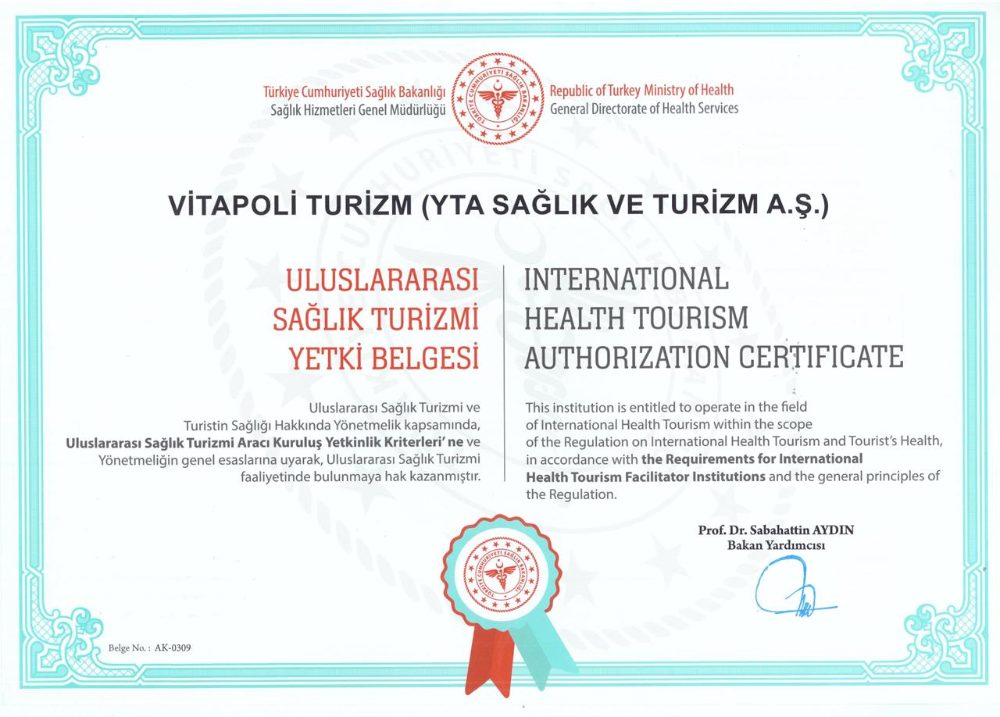
AYT Clinic (YTA Sağlık ve Turizm A.Ş.) is a licensed health tourism intermediary (licence no. AK-0309) that coordinates treatments in Antalya.
Make an Appointment
Talatpaşa Boulevard No: 113-9, Hacettepe Mahallesi, Altındağ / Ankara, Türkiye
Çalkaya Falezleri Cad. No: 2 Daire: 8, Altıntaş / Aksu / Antalya, Türkiye
Send Email: [email protected]
Call Us: +90 850 888 6898