 Book Online
Share your details and our team will contact you shortly.
Gastric sleeve vs gastric balloon is one of the first questions patients ask when they start looking into weight loss surgery in Antalya. Both treatments reduce how much you can eat, both are offered by AYT Clinic, and both can be arranged as a package for patients travelling from the UK. Yet they are very different: a gastric balloon is a temporary, non-surgical device that stays in the stomach for six to twelve months, while a gastric sleeve is a permanent operation that removes around 75–80% of the stomach. This guide compares the two treatments on eligibility, expected weight loss, recovery, risks and cost, so you can see which one fits your situation before you book a consultation.
A gastric balloon (intragastric balloon) is a soft silicone balloon that is placed in the stomach and then filled with sterile saline. It takes up space, so you feel full after smaller meals and stay full for longer. There is no cutting and no change to your anatomy.
Depending on the model, the balloon is either placed endoscopically under light sedation in about 20–30 minutes, or swallowed as a capsule and filled through a thin tube without an endoscope. Most balloons are removed after six months; some newer models stay in place for up to twelve months. Once the balloon is removed, the stomach returns to its original size, so the result depends heavily on the eating habits you build during the balloon period.
A gastric sleeve (sleeve gastrectomy) is a laparoscopic operation performed under general anaesthesia. The surgeon removes the outer curve of the stomach, leaving a narrow tube about the size of a banana. The procedure takes roughly one to two hours and is irreversible.
The sleeve works in two ways. It limits how much you can eat at one sitting, and it removes the part of the stomach that produces most of the hunger hormone ghrelin, so appetite falls as well. This hormonal effect is one reason the sleeve produces larger and more durable weight loss than a balloon.
| Feature | Gastric balloon | Gastric sleeve |
|---|---|---|
| Type of treatment | Non-surgical, temporary device | Laparoscopic surgery, permanent |
| Anaesthesia | Light sedation (or none for swallowable balloons) | General anaesthesia |
| Procedure time | About 20–30 minutes | About 1–2 hours |
| Hospital stay | Usually same-day discharge | Typically 3 nights in hospital |
| Typical BMI range | Roughly 30–40 | 40 or above, or 35 or above with weight-related conditions |
| Expected weight loss | Around 10–15% of total body weight while the balloon is in place | Around 25–30% of total body weight within 1–2 years |
| Duration of effect | 6–12 months, then removed | Lifelong |
| Reversible | Yes | No |
| Main side effects | Nausea, cramping and vomiting in the first week; rarely early removal | Surgical risks (bleeding, staple-line leak), reflux, nutritional deficiencies |
These figures are typical ranges reported in the bariatric literature; your own result depends on your starting weight, how closely you follow the diet programme and your long-term habits.
A gastric balloon is usually considered for adults with a BMI between about 30 and 40 who have tried diet and exercise without lasting success but do not qualify for, or do not want, surgery. It can also be used as a bridge treatment: a patient with a very high BMI may have a balloon first to lose enough weight to make a later operation safer.
The balloon is not suitable for everyone. Previous stomach surgery, a large hiatus hernia, active ulcers, inflammatory bowel disease, pregnancy and certain medications (for example long-term anti-inflammatory drugs or blood thinners) can rule it out. An endoscopy or detailed medical history before placement is standard.
International guidelines recommend bariatric surgery for adults with a BMI of 40 or more, or a BMI of 35 or more with an obesity-related condition such as type 2 diabetes, high blood pressure or sleep apnoea. In the UK, the NHS uses these same thresholds, and recent international guidance has lowered the bar further for some patients with metabolic disease. If you are unsure whether you meet the criteria, our article on who is eligible for gastric sleeve explains the BMI requirements in detail.
A gastric sleeve is the better option when you need to lose a large amount of weight, when you have weight-related health problems that would improve with substantial weight loss, or when a previous balloon or medication has not given a lasting result. It is a serious operation, so good general health and a commitment to lifelong follow-up and supplementation are essential.
Clinical studies typically report that patients lose around 10–15% of their total body weight during a six-month balloon programme. For a patient weighing 100 kg, that is roughly 10–15 kg. Because the device is temporary, keeping the weight off afterwards depends on the dietary coaching that accompanies the balloon and on maintaining those habits after removal. Some regain is common.
After a gastric sleeve, patients usually lose around 25–30% of total body weight (about 60–70% of excess weight) within the first one to two years. The same 100 kg patient could expect to lose 25–30 kg or more. Most of this loss is maintained long term, although some regain after year two is possible without lifestyle support. Weight-related conditions such as type 2 diabetes and high blood pressure often improve markedly after the sleeve.
The first three to seven days after balloon placement are usually the hardest. Nausea, cramping and vomiting are common while the stomach adapts, and medication is given to control them. Most patients return to work within a few days. Serious complications are rare but include balloon deflation, migration into the intestine, stomach ulcer or, very rarely, perforation. A small proportion of patients cannot tolerate the balloon and need it removed early.
After a sleeve you typically spend about three nights in hospital and need two to four weeks before returning to desk work. The diet progresses from liquids to purées to soft foods over four to six weeks. Surgical risks include bleeding, infection, blood clots and staple-line leak, which occurs in roughly one in a hundred patients. Longer term, new or worsened acid reflux and deficiencies of iron, vitamin B12, vitamin D and calcium are the most common issues, which is why lifelong supplements and blood tests are part of the plan.
Price is a major reason UK patients consider weight loss surgery in Antalya. On the UK comparison site WhatClinic, gastric balloon programmes in England are listed from around £3,700, and private gastric sleeve surgery from roughly £8,000–£9,950 (WhatClinic, England listings, November 2026). The NHS notes that paying privately for weight loss surgery can be expensive and that NHS funding is limited to patients who meet strict BMI criteria.
At AYT Clinic in Antalya, gastric sleeve surgery is offered as an all-inclusive package from £2,400 (≈ €2,800), hotel and transfers included. The package covers the operation, three nights in hospital and one night in a hotel, pre-operative tests and your follow-up plan; the total stay is usually five to six days. Gastric balloon treatment at AYT Clinic is priced individually, because the balloon model (six-month or twelve-month, endoscopic or swallowable) and the length of the dietary programme vary from patient to patient, so you receive a personal quote after your consultation.
A simple way to frame the decision is to ask three questions. How much weight do you need to lose? If your BMI is above 40, or above 35 with health problems, a balloon alone is unlikely to be enough and a sleeve is the recognised standard. How do you feel about permanent surgery? If you want a reversible, non-surgical option and are prepared to put the balloon period to work on changing habits, a balloon is a reasonable first step. Have you tried less invasive options already? Patients who have regained weight after a balloon or after weight loss injections often move on to a sleeve.
At AYT Clinic, every international patient has an online consultation with a bariatric surgeon who reviews your BMI, medical history and goals before recommending either option. Our weight loss surgery team in Antalya works in full-service partner hospitals, and our guide on how to choose a clinic in Antalya lists the questions to ask before you travel.
The balloon avoids general anaesthesia and surgical cutting, so its serious complication rate is lower. However, it also produces less weight loss and is temporary. Both treatments are considered safe when performed by experienced teams and when you are properly assessed beforehand.
Yes. Many patients use a balloon first and later choose a sleeve if they regain weight or want a permanent result. The balloon must be removed before surgery, and surgeons usually recommend a short interval between removal and the operation.
Most balloons are removed after six months; some models are approved for up to twelve months. Leaving a balloon in longer than recommended increases the risk of deflation and other complications.
Some regain is common because the restriction disappears once the balloon is out. Patients who continue the dietary and activity habits built during the programme keep more of their result. The sleeve has a much lower regain rate because the restriction and hormonal changes are permanent.
For a gastric sleeve, the package includes three nights in hospital and one night in a hotel, and most patients fly home on day five or six. A gastric balloon is usually a day procedure; your coordinator will confirm the recommended stay for the balloon model chosen for you.
In the UK, listed balloon prices start lower than listed sleeve prices, but a balloon is temporary and may need to be repeated. At AYT Clinic the sleeve package starts from £2,400 (≈ €2,800) including hotel and transfers, while balloon treatment is quoted individually after consultation.
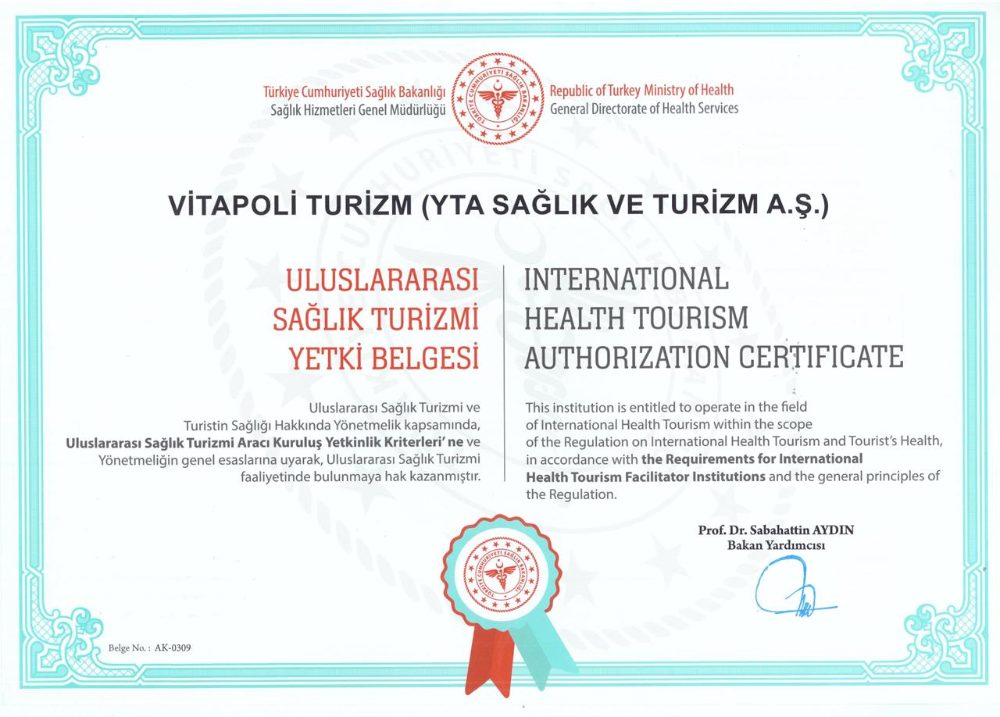
AYT Clinic (YTA Sağlık ve Turizm A.Ş.) is a licensed health tourism intermediary (licence no. AK-0309) that coordinates treatments in Antalya.
Make an Appointment
Talatpaşa Boulevard No: 113-9, Hacettepe Mahallesi, Altındağ / Ankara, Türkiye
Çalkaya Falezleri Cad. No: 2 Daire: 8, Altıntaş / Aksu / Antalya, Türkiye
Send Email: [email protected]
Call Us: +90 850 888 6898