 Book Online
Share your details and our team will contact you shortly.
Implant placement is done under local anaesthetic, so most people feel pressure rather than pain during the procedure. Afterwards, soreness and swelling are common for the first few days and usually ease within about a week. Pain that gets worse instead of better, heavy bleeding or swelling that keeps growing should be checked by your dentist. See our dental implants in Antalya page for how treatment is planned.
A dental implant is usually placed under local anaesthetic as an outpatient procedure [6]. Once the area is numb, most people describe pushing, pressure and vibration rather than sharp pain. The injection itself is often the most noticeable part. If you are anxious, ask whether sedation is possible; this is discussed during planning.
The recovery timeline below is a general guide for a straightforward single implant. Bone grafts, sinus lifts and several implants at once usually mean more swelling and a slower first week.
| Time after surgery | What is common | Contact your dental team if |
|---|---|---|
| First hours | Numbness, slight oozing of blood | Bleeding does not slow with gentle pressure [5] |
| Days 1–3 | Soreness, swelling, possible bruising; usually the most uncomfortable days [1] | Pain is severe and not helped by the advised painkillers |
| Days 4–7 | Swelling and soreness ease; some discomfort can last about a week [1] | Pain or swelling starts increasing again |
| Around 1–2 weeks | Stitches reviewed or removed; normal routine returns [1, 5] | Fever, pus, bad taste or a spreading swelling |
| Weeks to months | Bone bonds to the implant (osseointegration); you usually feel nothing [2, 5] | The implant or healing cap feels loose |
An NHS hospital leaflet describes discomfort and swelling in the first few days, with some discomfort for around a week, usually managed with simple regular painkillers [1]. Experiences vary. A single implant in good bone is often milder than people expect; a graft or several implants can feel more like a larger extraction.
Pain relief tips:
Swelling is a normal response to surgery. Cooling the cheek from the outside can help [5]. Use a cold pack wrapped in a cloth for short periods on the first day. Some people notice yellow or blue bruising that fades over several days. German insurer Techniker Krankenkasse advises avoiding physical strain, sport and strong heat, such as saunas, for the first two weeks [5].
The ADA notes that soft, cold or warm foods may be recommended during healing [2]. A practical sequence:
Drink plenty of water. Avoid alcohol while you are taking painkillers or antibiotics.
Good cleaning lowers the risk of infection. Follow your dental team's written instructions; typically:
Smoking slows healing and increases infection risk. The Techniker Krankenkasse advises not smoking for at least two weeks after surgery [5]. Over the longer term, a meta-analysis found almost twice the implant failure rate in smokers compared with non-smokers [4]. If you can stop before treatment, even better [1].
Contact your dental team promptly if you notice:
If you have difficulty breathing or swallowing, seek urgent medical help.
If you had a bone graft or a sinus lift, the first week is usually more uncomfortable and healing takes longer [1]. Your team may give extra instructions, such as avoiding blowing your nose forcefully after a sinus lift. Follow these closely; they are specific to your procedure.
If you have treatment abroad, plan a quiet first few days. Ask your dental team whether and when you can fly, especially after a sinus lift; see also our glossary note on flying after surgery. Take your written aftercare instructions, medication list and treatment records home with you. The NHS checklist for treatment abroad recommends agreeing in advance what happens if you need follow-up care after you return [7].
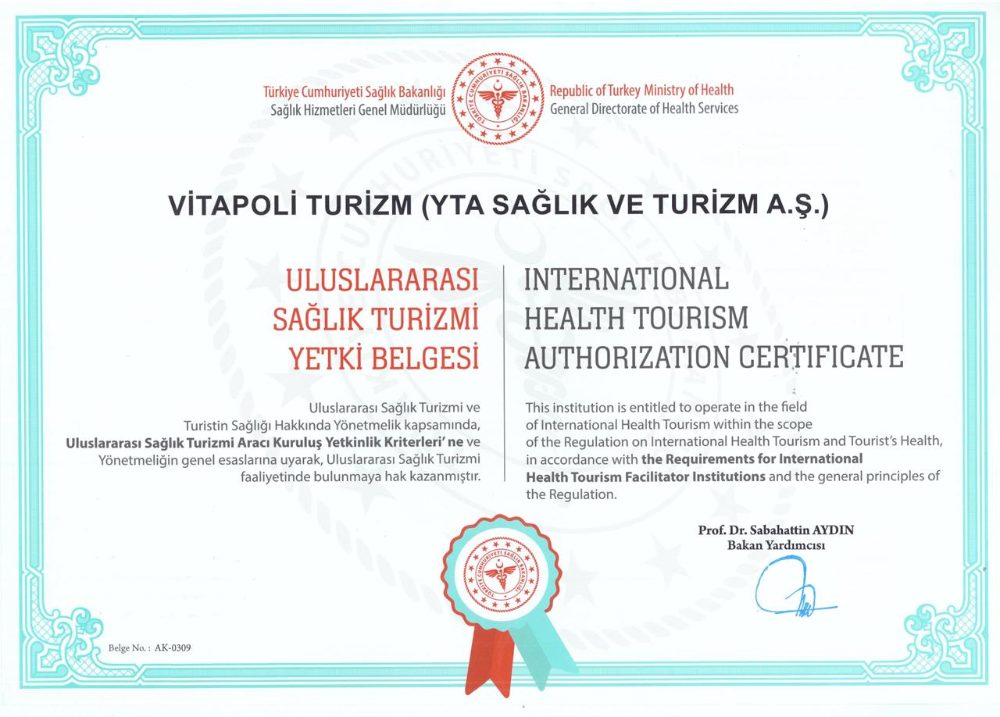
AYT Clinic is a licensed health tourism facilitator. Treatment is carried out by the dentist and clinic named in your plan; AYT coordinates the process, including your aftercare instructions and contact with the dental team after you return home.
A little preparation makes the first days calmer:
Once healing is complete and the crown is in place, the implant is cleaned much like a natural tooth: twice-daily brushing with fluoride toothpaste, daily cleaning around the implant with interdental brushes, and regular check-ups [3]. Bleeding or swelling around an implant years later is not part of normal recovery and should be checked. Our guide on how long dental implants last explains the long-term factors in more detail.
It varies. Many people find a simple single implant similar to or milder than an extraction. Grafts and several implants usually cause more swelling [1].
Discomfort is usually greatest in the first few days and eases over about a week [1]. Pain that increases again should be checked.
Soft food is advised for the first days [2, 5]. Most people return gradually to normal textures over the following weeks, avoiding hard food on the implant until it has healed.
Many people return to desk work soon afterwards; the first few days are usually the most uncomfortable [1]. Avoid strenuous exercise for the first two weeks [5].
Mild residual swelling can be. Swelling that is increasing, hot or painful, or comes with fever, should be assessed.
It is strongly advised not to. Avoid smoking for at least two weeks, and ideally stop altogether [4, 5].
Read more on our dental implants page, or send us your questions and photos. The dental team will explain what recovery is likely to look like in your case, and we will include aftercare in your written plan.
Tüm URL'ler 13.11.2026'da kontrol edildi (HTTP 200, PubMed E-utilities kaydı veya web araması ile).
Dentist
Last updated: 14.11.2026
AYT Clinic (YTA Sağlık ve Turizm A.Ş.) is a licensed health tourism intermediary (licence no. AK-0309) that coordinates treatments in Antalya.
Make an Appointment
Talatpaşa Boulevard No: 113-9, Hacettepe Mahallesi, Altındağ / Ankara, Türkiye
Çalkaya Falezleri Cad. No: 2 Daire: 8, Altıntaş / Aksu / Antalya, Türkiye
Send Email: [email protected]
Call Us: +90 850 888 6898