 Book Online
Share your details and our team will contact you shortly.
Losing 40, 60 or 80 kilograms after a gastric sleeve or bypass changes your health, but it rarely changes your skin in the same way. Many patients who search for body contouring after weight loss in Turkey have reached their goal weight and are now living with folds of loose skin on the abdomen, arms, thighs, chest and back that no amount of exercise will tighten. Post-weight loss body contouring is the group of plastic surgery operations that removes that skin and reshapes the body, and because it usually involves several areas and more than one operation, the question of where to have it done and in what order matters more than for any single cosmetic procedure. This guide explains why the skin stays loose, when surgery becomes possible, which operations exist, how they are staged, what the risks are for post-bariatric patients, and how AYT Clinic plans post-weight loss body contouring in Antalya.
Skin stretches to cover the body it has, and stretching for years damages the elastin and collagen fibres that would normally let it shrink back. The longer and more severe the obesity, the more those fibres are broken; after major weight loss the skin has lost both its elasticity and the fat that used to fill it. Age, genetics, smoking, sun damage and the speed of the weight loss all play a part, and women who have also been pregnant tend to have more laxity in the lower abdomen. Exercise builds the muscle under the skin but cannot remove skin that has been permanently stretched. Our article on loose skin after gastric sleeve explains what can and cannot be influenced during the weight-loss phase; this article covers what happens once that phase is over.
Timing is the single most important factor in a safe, lasting result. Surgeons generally want three conditions met before they operate on a post-bariatric patient.
Your weight should have been stable for at least three to six months, which for most gastric sleeve and bypass patients means 12 to 18 months after the bariatric operation. Removing skin while you are still losing weight leaves new laxity behind within a year; operating while weight is creeping back up stretches the repair.
Most plastic surgeons prefer a BMI of around 30 to 32 or lower. Above that, the operations are longer, wound complications are more common and the aesthetic result is less predictable. If you are close but not there, your surgeon may suggest waiting or starting with a single area.
Bariatric surgery changes how you absorb nutrients, and healing a long incision needs protein, iron, vitamin D, vitamin B12, zinc and a normal haemoglobin. A responsible clinic will ask for recent blood results and will postpone surgery if you are anaemic or your protein levels are low. You will also be asked to stop smoking and all nicotine products for at least four weeks before and after surgery.
Post-bariatric body contouring is not one procedure but a menu, and the right combination depends on where your skin excess is and what bothers you most.
The abdomen is almost always the first priority. A standard tummy tuck removes the apron of skin between the navel and pubic area and repairs the separated abdominal muscles. After massive weight loss the excess usually continues around the flanks and back, so a 360 tummy tuck, which combines the abdominoplasty with liposuction of the waist and lower back, gives a more balanced shape. When there is a large vertical excess as well, a fleur-de-lis incision adds a vertical scar to tighten the upper abdomen too.
A lower body lift extends the tummy tuck incision all the way around the body, lifting the outer thighs and buttocks at the same time as the abdomen. It is the most comprehensive single operation for post-bariatric patients and also the longest, which is why it is planned carefully and often performed on its own.
Hanging skin on the upper arms is corrected with an arm lift, through an incision that runs along the inner arm from the elbow towards the armpit. The scar is the trade-off for a firm, defined arm, and it is placed where it is least visible when the arms are at rest.
Inner thigh skin is tightened through an incision in the groin crease, extended vertically down the inner thigh when the excess reaches the knee. Thigh lifts are frequently combined with an arm lift in one session because both are moderate in length and recovery.
Weight loss deflates the breast and lowers the nipple position. A breast uplift (mastopexy) restores shape; when volume has been lost as well, a lift with implants replaces it.
A bra-line back lift removes rolls across the upper back, and a face and neck lift addresses the jowls and loose neck skin that massive weight loss can leave behind. These are usually later stages, once the trunk and limbs are done.
Safety limits how much can be done in one anaesthetic. Plastic surgeons generally keep a single session to about six hours and avoid combining two very large procedures, because operating time and blood loss drive the risk of clots, wound problems and anaemia in post-bariatric patients. A typical plan looks like this: stage one, tummy tuck or lower body lift; stage two, arm lift and thigh lift together; stage three, breast surgery, possibly combined with a back lift; and a face or neck lift as a final stage if needed. Stages are spaced three to six months apart so that the body has recovered and nutritional stores are replenished. Smaller patients with excess in only one or two areas may need a single operation, and some combinations, such as a tummy tuck with a breast lift, can be done together when the surgeon judges the total operating time acceptable.
Every body contouring operation trades skin for a scar, and post-bariatric scars are long: around the waist for a body lift, along the inner arm, down the inner thigh, around the nipple and down the breast. They are placed in natural creases and underwear lines wherever possible, start red and raised, and fade over 12 to 18 months to pale lines. The result is a firmer, smoother body that fits your new weight, not the body of someone who was never heavy; a degree of residual laxity is normal, especially on the thighs, and minor revisions are sometimes needed.
Post-weight loss body contouring carries the general risks of surgery plus a few that are more frequent in this group. Seroma (fluid collecting under the skin) is common after body lifts and arm lifts and is treated with drains or aspiration. Wound dehiscence, where part of the incision opens, and delayed healing are more likely when protein or iron stores are low or the patient smokes. Blood clots are a real concern in long operations on patients with a history of obesity, which is why compression devices, early walking and sometimes blood-thinning injections are used. Anaemia can follow large operations in patients whose iron absorption is already reduced by their bypass. None of these change whether surgery is a good idea, but they do change where it should be done: in a hospital, by a plastic surgeon who operates on post-bariatric patients regularly, with blood results checked beforehand.
At AYT Clinic the process starts with your photographs, your current weight history and your bariatric records, including the operation you had, your most recent blood tests and the supplements you take. A plastic surgeon reviews this before any plan is proposed and will tell you if you need to wait, lose a little more or correct a deficiency first. Each stage is performed in a fully licensed hospital under general anaesthesia with one or two nights' stay, followed by five to seven nights in a partner hotel so that drains can be removed and the wounds checked before you fly; plan on seven to ten days in Antalya per stage. Compression garments, private transfers, a patient coordinator and remote follow-up after your return are part of the package, and AYT Clinic applies a written revision policy with complication insurance.
Prices depend on the plan. A tummy tuck combined with 360 liposuction starts from £3,500 (≈ €4,100), hotel and transfers included; an arm lift or a thigh lift starts from £3,200 (≈ €3,750); a breast uplift starts from £3,200 (≈ €3,750) and a breast lift with implants from £3,500 (≈ €4,100). A lower body lift, a back lift and staged multi-area plans are quoted individually after consultation, because the scope varies so much from patient to patient. For comparison of how package pricing works and what a stay involves, our guide to the all-inclusive tummy tuck package in Turkey describes the same model in detail. Private clinics in the UK typically charge several times these amounts for the same operations, and quote the procedure alone without accommodation or transfers.
Usually 12 to 18 months after your bariatric operation, once your weight has been stable for at least three to six months and your blood results show that protein, iron and vitamin levels are normal.
Rarely. Most post-bariatric patients need two to three stages, spaced three to six months apart, because long combined operations increase the risk of clots, bleeding and wound problems. Your surgeon will group procedures so that each session stays within a safe operating time.
If your excess skin is mainly on the front of the abdomen, a tummy tuck with 360 liposuction is usually sufficient. If the laxity continues around the flanks, buttocks and outer thighs, a lower body lift addresses all of it in one incision. The surgeon decides this on examination and photographs.
It removes a few kilograms of skin and fat, but it is not a weight-loss operation. Its purpose is shape, comfort and skin health; your weight should already be stable before you have it.
Yes, body contouring scars are long and permanent, although they fade considerably over 12 to 18 months. They are positioned to sit under underwear or along the inner arm and thigh where they are least noticeable, and scar care is part of your aftercare plan.
Because the skin is thinner and less elastic, the operations are longer, and nutritional absorption is reduced after bariatric surgery. Careful timing, blood tests, stopping smoking and operating in a hospital setting bring these risks down considerably.
Related terms in our patient glossary: Abdominoplasty (tummy tuck) · Body lift · Mastopexy (breast lift) · Brachioplasty (arm lift) · Sleeve gastrectomy (gastric sleeve)
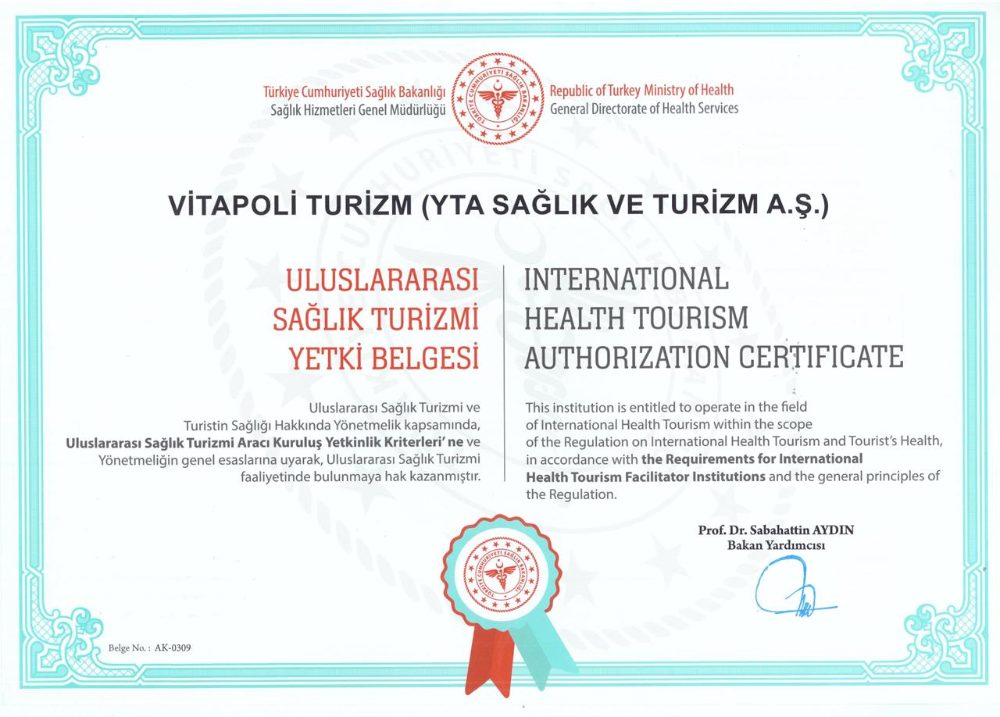
AYT Clinic (YTA Sağlık ve Turizm A.Ş.) is a licensed health tourism intermediary (licence no. AK-0309) that coordinates treatments in Antalya.
Make an Appointment
Talatpaşa Boulevard No: 113-9, Hacettepe Mahallesi, Altındağ / Ankara, Türkiye
Çalkaya Falezleri Cad. No: 2 Daire: 8, Altıntaş / Aksu / Antalya, Türkiye
Send Email: [email protected]
Call Us: +90 850 888 6898